

解体工事が進められていた「旧香川県立体育館」が、保存活用に向けての“最後のチャンス”を迎えています(詳細はこちらの記事を→https://bunganet.tokyo/kagawastop/)。この機に、BUNGA NETでは緊急連載「旧香川県立体育館に思う──アーキテクトボイス50」を行います(発起人:田根剛、佐々木睦朗、北山恒、宮沢洋)。この建築や今回の経緯への思いを、1日1人ずつアップしていきます。39人目は、建築家で早稲田大学客員教授の吉村靖孝氏です。(ここまでBUNGA NET編集部)
最近になって、ようやく当たり前のことに気がついたのである。
そのことに気づくまでには、ひとつ前提があって、私はこれまで、歴史的な建物が壊されていくという現実に対して、何ひとつ発言してこなかった。考えてみてほしい。もし自分がその場にいて、建物が壊されたあとに、次の建物の設計を頼まれたらどうするか。建築家たるもの、おそらくは断らないだろう。壊される建物がどんなものであれ、それを超える建物をつくるという気概が必要だと思ってきた。だからこそ、建築家は解体に口出しすべからず。そう考えてきたのである。ずいぶん若い頃からそう思っていたのだが、これはどうやら馬場璋造さん(※1)が語っていたことらしい。そう聞いて、だから建築家は解体に沈黙しがちなんだ、と膝を打つような気持ちになった。同じように考えてきた建築家が少なからずいることだろう。
ところが最近、その考えが変わった。歳のせいなのか、脳出血を患ったせいなのかはわからない。解体という現実に対して、強く反対したいと思うようになったのである。解体後に自分がその新築の建物に関わる可能性がないからなのかもしれないし、もっと長いスパンで建築や都市を考えることが多くなったからかもしれない。ただ、いまはひたすら、この建物を壊さないでほしいと思うのだ。
日本では、住宅の寿命は30年だとよく言われてきた。これを、日本人はスクラップ・アンド・ビルドが好きだからだと説明されることもある。しかし、戦後の住宅不足という切迫した状況のなかで大量につくられた住宅が、やがて建て替えの時期を迎え、壊され、また新しく建てられる。そうしたサイクルを繰り返すうちに、私たちはいつしか、その流れのなかに建築を置くことに慣れきってしまったのではないだろうか。でも、日本以外の国では、長い議論を経て建てて、「建てたら壊さない」がある。もちろん海外でも建物が壊されることがないわけではないが、ただそれは、その建築が残すに値しないとみなされたときだけである。これだけ議論が沸き起こっているなか、明日にも解体がはじまろうと言うのだから、答えを急ぎすぎだろう。
どうすればこの性急な決断を変えられるだろうか。ひとつは、この解体を政治が決めていることだろう。政治に口を出すには、山本理顕氏(※2)の例を出すまでもなく、建築家も政治家にならなければならない。この考え方は今回の決断には時すでに遅しかもしれないが、、、。もうひとつは、案を出すことだろう。先日、田根さんを招いて早稲田大学芸術学校で講演会を行ったが、そこで再生の案がないから推せないという声もあった。再生の案は以前にもあったが、推せる案が出るまでやるというのが、おそらく私たちの矜持だろう。
建築は一度壊れたら二度と建てられない。それが、その建築が建築たる所以である。
吉村靖孝/建築家、吉村靖孝建築設計事務所、早稲田大学客員教授
プロフィルはこちら→https://www.yasutakayoshimura.com/contact
※1:馬場璋造氏(1935-2021年)は建築評論家。建築誌『新建築』の編集長を経た後、建築評論や設計コンペの審査などに携わった。
※2:山本理顕氏は2024年にプリツカー建築賞を受賞した日本を代表する建築家。2026年10月18日に投票が行われる横浜市町選挙に出馬している。
(注釈は編集部による)
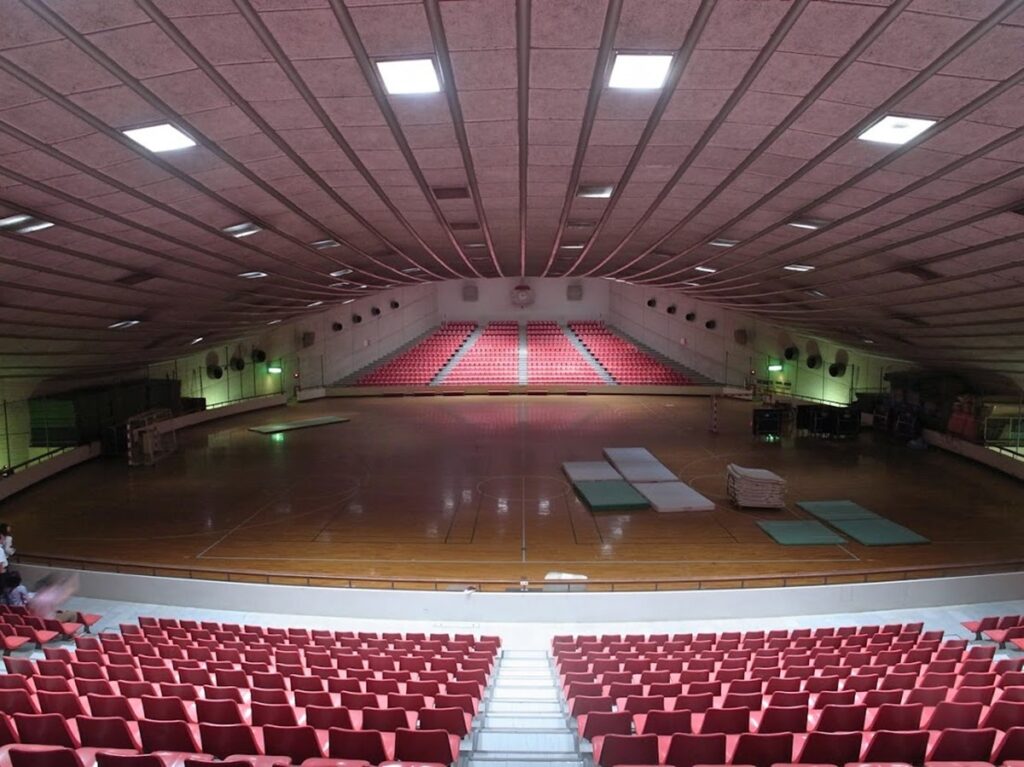 旧香川県立体育館(写真:旧香川県立体育館再生委員会)
Recently, I finally came to realize something that should have been obvious all along.
There was a premise I had held onto until I reached this realization: until now, I had never spoken out against the reality of historic buildings being demolished. Consider this: What would you do if you were there when a building was torn down and were then asked to design its replacement? As an architect, you would probably accept the commission. I had always believed that architects needed the determination to create something that surpassed whatever building was being demolished, regardless of its merits. That was precisely why I thought architects should not interfere in decisions to demolish buildings.
I had held this view since I was quite young, but apparently it was something Shōzō Baba had expressed. When I heard that, I had an aha moment: so that’s why architects tend to remain silent about demolitions. I imagine there are quite a few architects who have thought along the same lines.
Recently, however, my thinking has changed. I don’t know whether it’s because I’m getting older or because I’ve suffered a cerebral hemorrhage. I’ve come to feel strongly that I want to oppose demolition. Perhaps it’s because I have no prospect of being involved in designing a new building on this site after the demolition. Or perhaps it’s because I’ve increasingly come to think about architecture and cities over much longer timescales. Whatever the reason, right now, all I want is for this building not to be torn down.
In Japan, it has long been said that houses have a lifespan of 30 years. Some explain this by saying that Japanese people are fond of a cycle of “scrap and build.” But consider the circumstances: in the urgent postwar housing shortage, vast numbers of homes were built. Eventually, they reached the point when they needed to be replaced, so they were demolished and new ones were built in their place. As this cycle repeated itself, perhaps we gradually became so accustomed to it that we came to accept architecture as something that naturally belongs in this cycle of destruction and renewal.
In other countries, however, buildings are often constructed only after lengthy debate, and there is a principle of “once it’s built, don’t tear it down.” Of course, buildings are demolished elsewhere in the world, too. But demolition generally happens only when a building is judged not to be worth preserving. Given the intense debate surrounding this building, the fact that demolition could begin as early as tomorrow suggests that the decision is being rushed.
How can we change this hasty decision? One factor is that demolition is being decided by politicians. As the example of Riken Yamamoto illustrates, architects may have to become politicians themselves if they want to influence political decisions. That may be too late to change the decision at hand, though…
Another approach is to put forward proposals. The other day, we invited Tsuyoshi Tane to give a lecture at Waseda University Art and Architecture School, where some people expressed the view that they could not support preservation because there was no viable proposal for revitalization. Proposals for restoring the building have been put forward before. But perhaps our professional pride lies in continuing the effort until we come up with a proposal that people can genuinely support.
Once a building has been demolished, it can never be built again. That is precisely what makes a work of architecture what it is.
Yasutaka Yoshimura/Architect; YasutakaYoshimura Architects; Visiting Professor, Waseda University
一覧ページはこちら↓
