
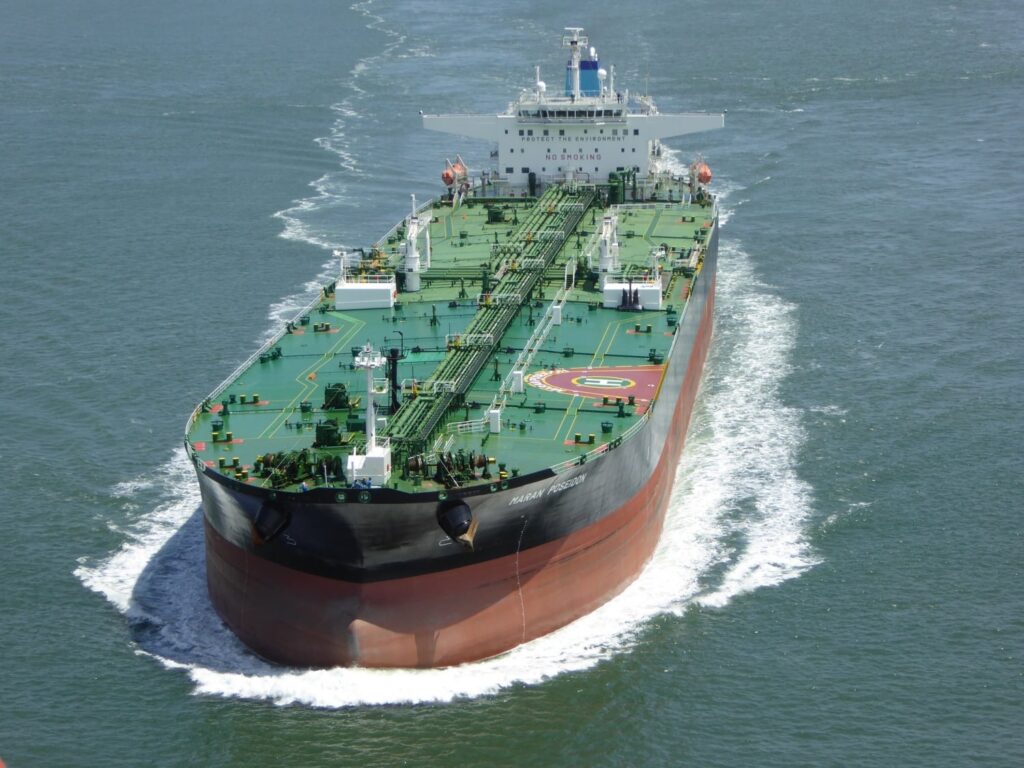
Iran conflict diverts shipping routes, Africa becomes a new hub, delivery times and costs rise.
JAKARTA – The conflict involving Iran and the closure of the Strait of Hormuz have forced the global shipping industry to reroute its main corridors, with Africa now emerging as a new hub for global container traffic, particularly on Asia–Europe routes.
Disruptions in the Persian Gulf and tensions in the Red Sea have driven large vessels to avoid traditional routes, opting instead for longer detours via the Cape of Good Hope in South Africa.
Citing Geo News, the rerouting trend had already begun in 2023, triggered by Houthi attacks. However, Kpler analyst Ronan Boudet said the Iran conflict has now made such diversions more structured.
Supply chain expert Yves Guilo of French consultancy Efeso said around 70% of cargo traffic that previously passed through the Red Sea in 2023 has now been diverted to African routes.
However, the shift has extended Asia–Europe shipping times by an average of two weeks, while costs have surged due to higher fuel consumption and the need for additional fleet capacity.
Global container shipping rates have also risen, Guilo noted, with average tariffs increasing 14% year on year.
On the other hand, African ports have recorded a surge in activity, including Tanger Med Port, which handled 11 million containers throughout 2025, up 8.4% year on year.
By contrast, Egypt has suffered significant losses due to declining traffic through the Suez Canal, with revenue falling by more than 60%, or USD 7 billion, in 2024.
Beyond maritime routes, logistics operators have begun relying on land corridors to distribute goods to Gulf countries cut off from sea access.
Jeddah Port in Saudi Arabia has now become a new transit hub before goods are transported overland to destinations such as Sharjah, Bahrain and Kuwait. However, the surge in activity has put pressure on port capacity.
“Jeddah Port was not prepared to handle such import volumes, and signs of port congestion are beginning to emerge,” said Ovrsea co-founder Arthur Barillas de The.
Data show a sharp increase in vessel queues, with unloading wait times reaching 36 hours — double the level seen the previous week.
In addition to Jeddah, global shipping operators have also begun utilising alternative ports outside the Strait of Hormuz, such as Sohar in Oman as well as Khorfakkan and Fujairah in the United Arab Emirates, which are connected to inland distribution networks. (DH/ZH)
as a preferred source on Google