

解体工事が進められていた「旧香川県立体育館」が、保存活用に向けての“最後のチャンス”を迎えています(詳細はこちらの記事を→https://bunganet.tokyo/kagawastop/)。この機に、BUNGA NETでは緊急連載「旧香川県立体育館に思う──アーキテクトボイス50」を行います(発起人:田根剛、佐々木睦朗、北山恒、宮沢洋)。この建築や今回の経緯への思いを、1日1組ずつアップしていきます。今回は成瀬・猪熊建築設計事務所の成瀬友梨氏と猪熊純氏。旧横浜市庁舎をホテル(OMO7横浜)にコンバージョンした経験を持つ2人です。(ここまでBUNGA NET編集部)

建築費高騰の煽りや低迷する経済状況によって、日本では挑戦的なものを作るのがますます難しい時代になってきています。そんな中、旧香川県体育館のように、希望に満ちた時代を象徴するような建築は、非常に貴重なものであり、後世に引き継いでいくことで未来の希望になると思います。
また、こうした建築をただ保存していくのは資金的にも限界があるため、やはり保存だけでなく、再活用・再利用に関して、可能性を広げていくべきだと考えます。オリジナルに敬意を払いながらも改変を許容し、時の重なりを感じられる建築・街となるよう、前向きに議論していくことが大切だと感じます。
成瀬友梨/建築家、成瀬・猪熊建築設計事務所
・・・・・・・・・
数年前、高松での仕事の際に、利用されなくなった香川県立体育館を訪れたことがあります。大きくせり上がった、迫力ある躯体は、今でもはっきりと記憶に残っています。
現存する丹下健三の建築の中でも、最も迫力ある造形美を持つ建築の一つだと思います。そしてそこには、単に建築としての価値だけでなく、失われてしまえば二度と取り戻すことのできない、ひとつの時代の空気が封じ込められています。
現在、再生委員会が発足し、民間を巻き込んだ新たな活用の可能性も提案されています。そうした選択肢が生まれている今、この建築をこのまま解体してしまうことが、香川県にとって、そして日本にとって、本当に良いことなのでしょうか。
一度失われた建築は、二度と取り戻すことができません。解体を急ぐのではなく、その価値と可能性をあらためて見つめ、保存・活用に向けた検討がもう一度なされることを願っています。
猪熊純/建築家、成瀬・猪熊建築設計事務所、芝浦工業大学教授
2人のプロフィルはこちら→https://www.narukuma.com/aboutus/
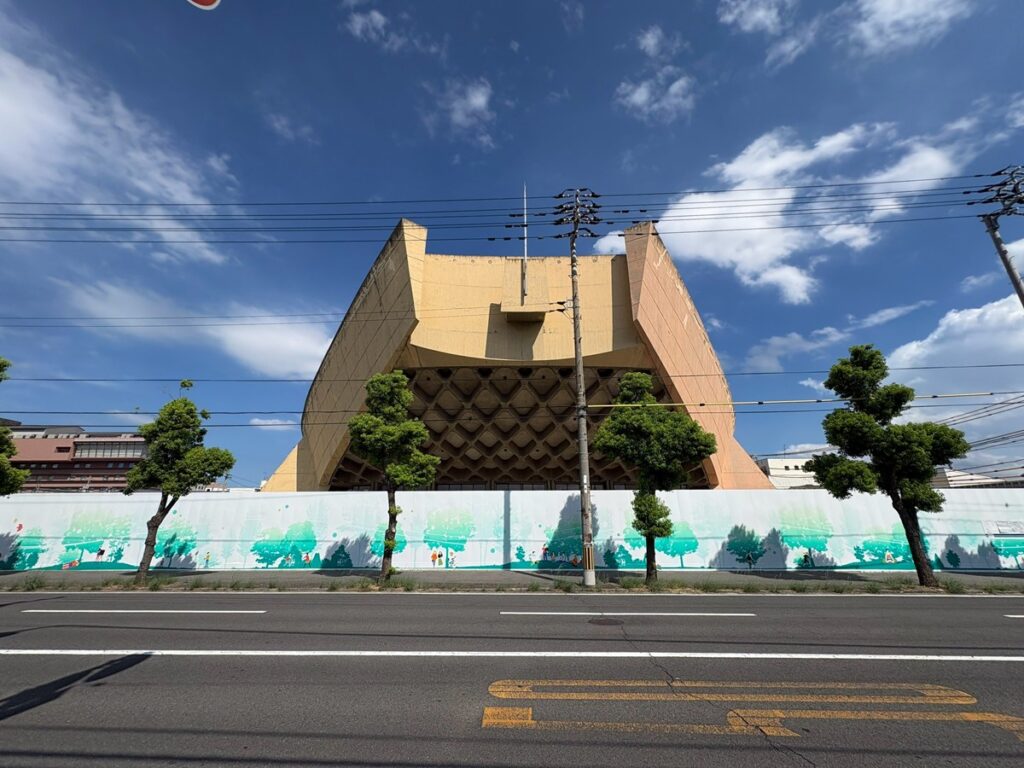 旧香川県立体育館の現状。2026年8月26日に撮影(写真:旧香川県立体育館再生委員会)
Due to soaring construction costs and a sluggish economy, it is becoming increasingly difficult to create ambitious projects in Japan. Amidst this, architecture that symbolizes an era full of hope—such as the Former Kagawa Prefectural Gymnasium—is extremely valuable, and I believe that passing it on to future generations will serve as a source of hope for the future.
Furthermore, since there are financial limits to simply preserving such buildings, I believe we should not only focus on preservation but also explore broader possibilities for their reuse and repurposing. I feel it is important to engage in constructive discussions to create architecture and urban environments that allow for modifications while respecting the original, so that the layers of time can be felt.
Yuri Naruse / Architect, Naruse & Inokuma Architects
・・・・・・・・・
A few years ago, while working in Takamatsu, I visited the Kagawa Prefectural Gymnasium, which had fallen into disuse. I still vividly remember its massive, soaring structure.
I believe it is one of the most visually striking works among Kenzo Tange’s surviving buildings. Moreover, it encapsulates not only architectural value but also the spirit of an era—one that, if lost, could never be recovered.
Currently, a revitalization committee has been established, and proposals for new ways to utilize the building—involving the private sector—are being put forward. With such options now on the table, is it truly in the best interest of Kagawa Prefecture—and of Japan—to simply demolish this building as it stands?
Once a building is lost, it can never be recovered. Rather than rushing to demolish it, I hope that we will take another look at its value and potential and once again consider options for its preservation and reuse.
Jun Inokuma / Architect, Naruse & Inokuma Architects, Professor at Shibaura Institute of Technology
一覧ページはこちら↓
