
©︎ Israel Gollino
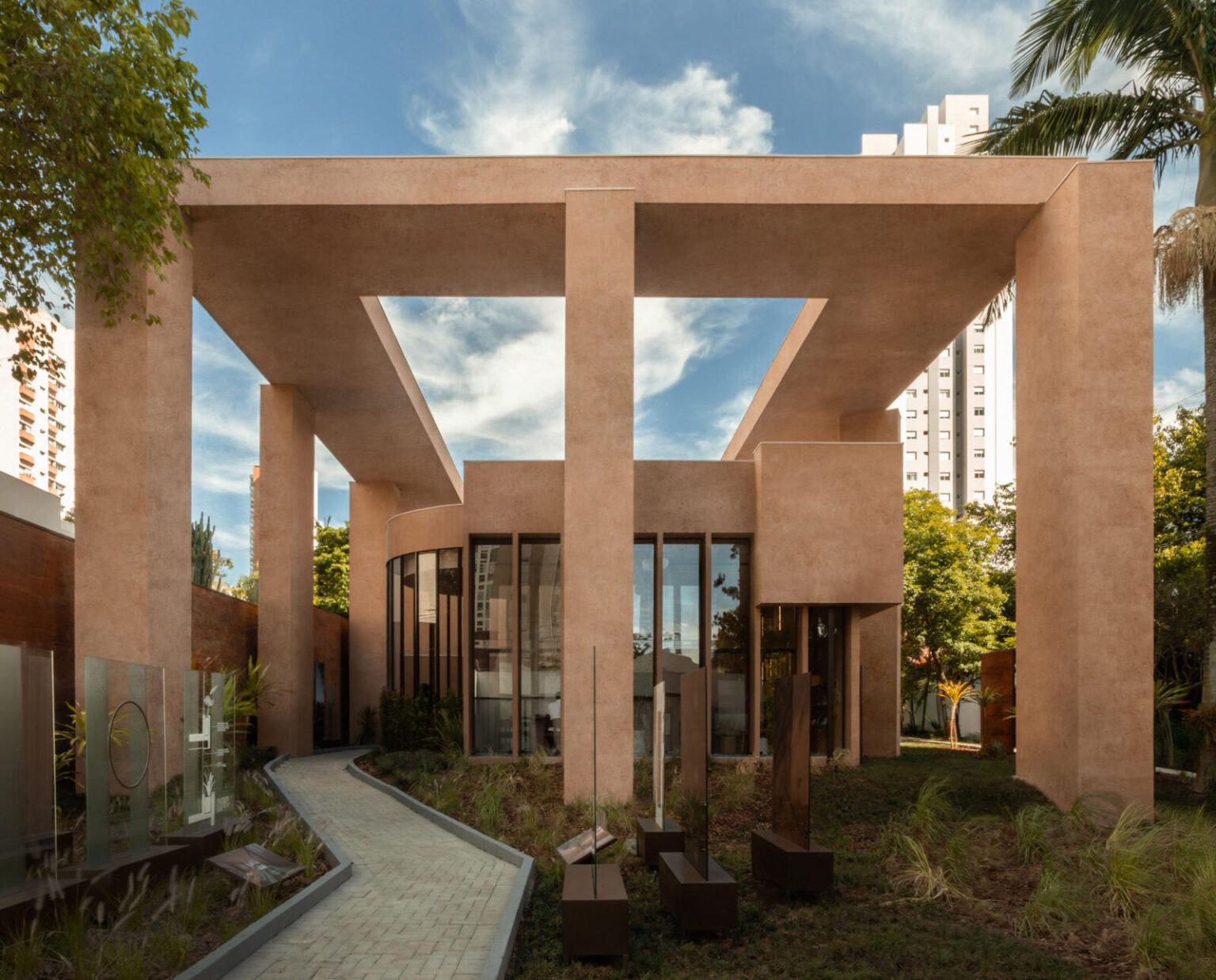
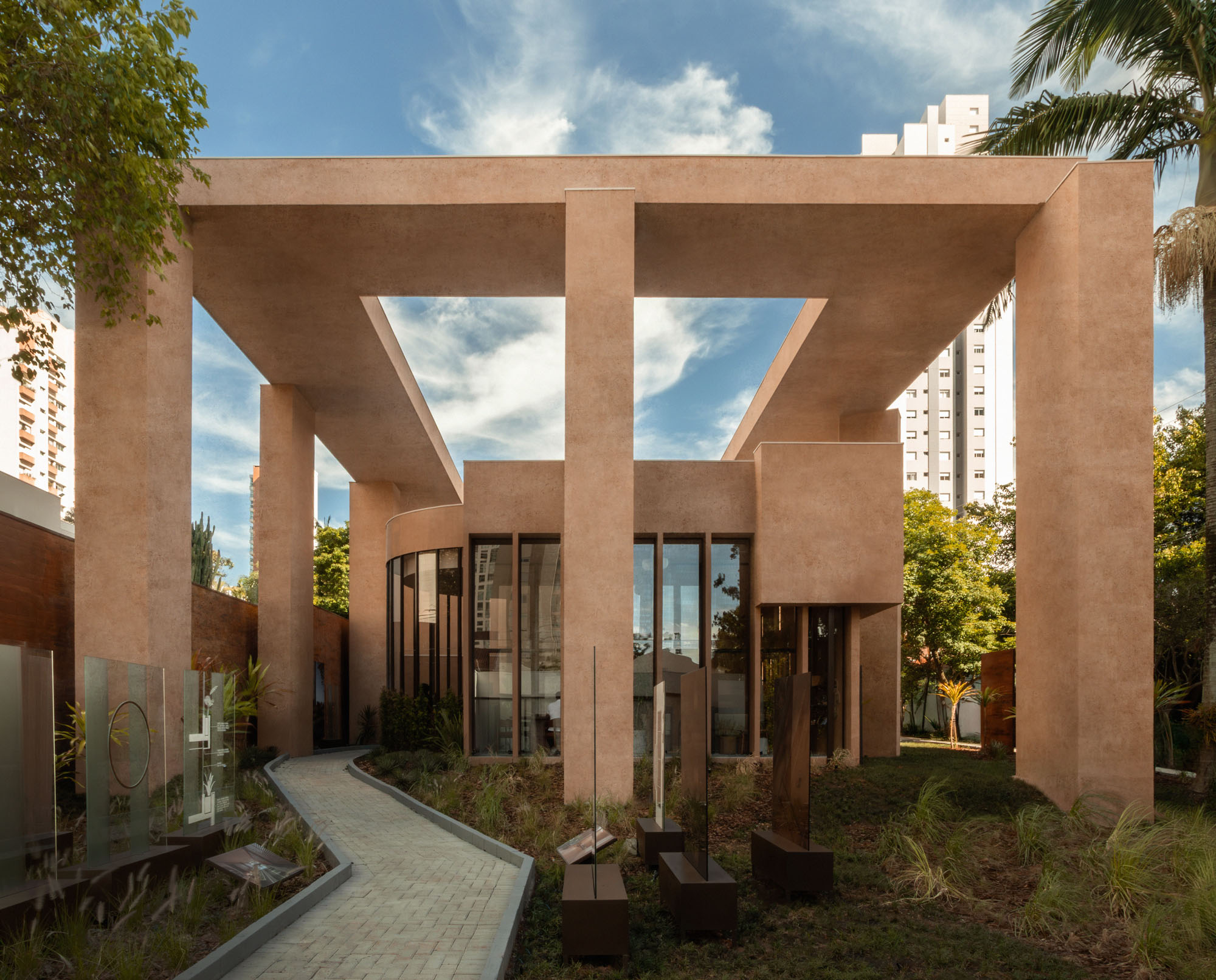
ブラジル・サンパウロのカンポ・ベロに誕生した〈ソフィア・パビリオン(Sofia Pavilion)〉は、商業空間兼ギャラリーとしての実験的な仮設パビリオンです。
ブラジルの建築デザイン事務所 エスタディオ・レオナルド・ザナッタ(Estúdio Leonardo Zanatta)が設計しました。
注目ポイント
タワーマンションに囲まれながら強い存在感を放つ建築
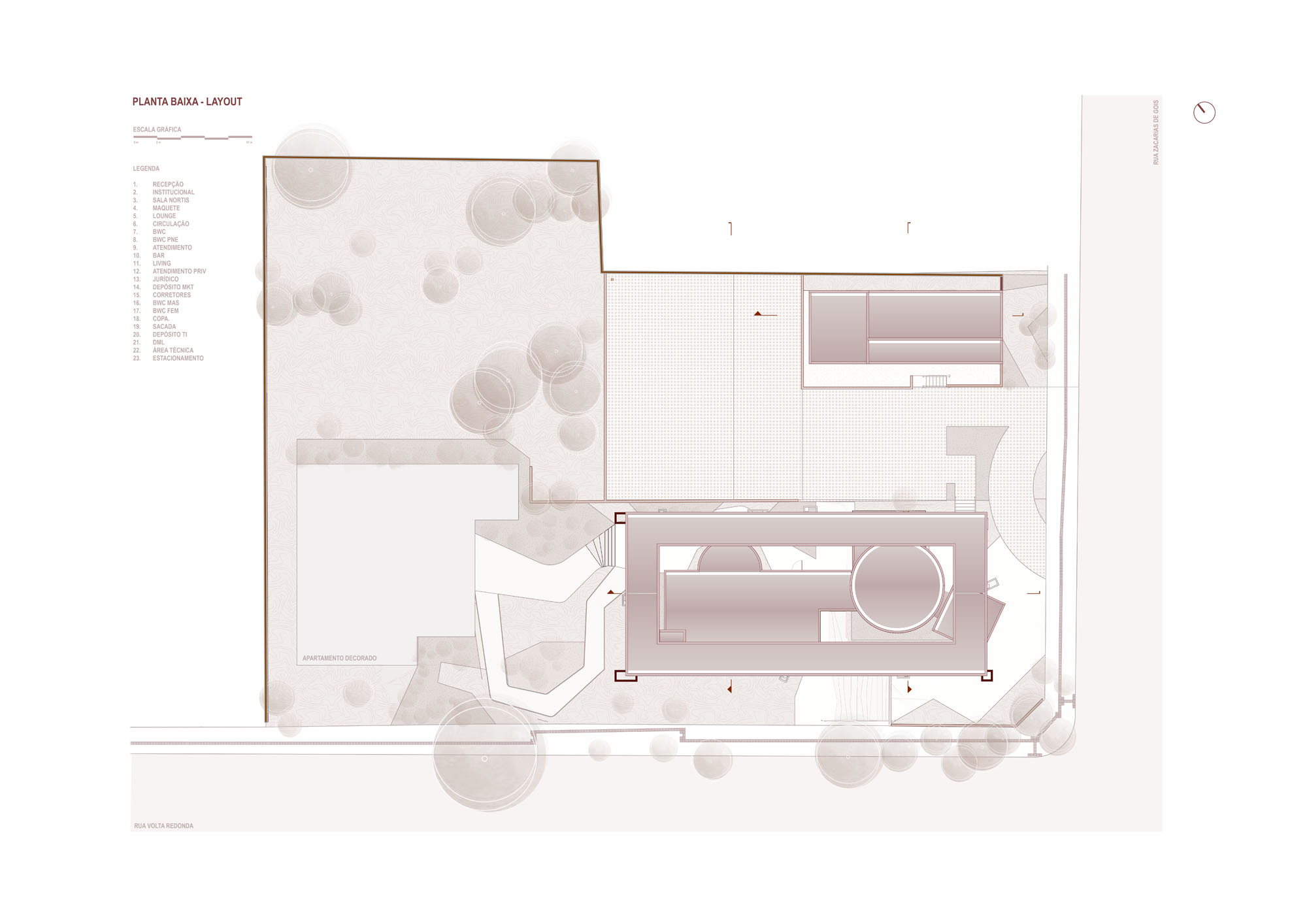
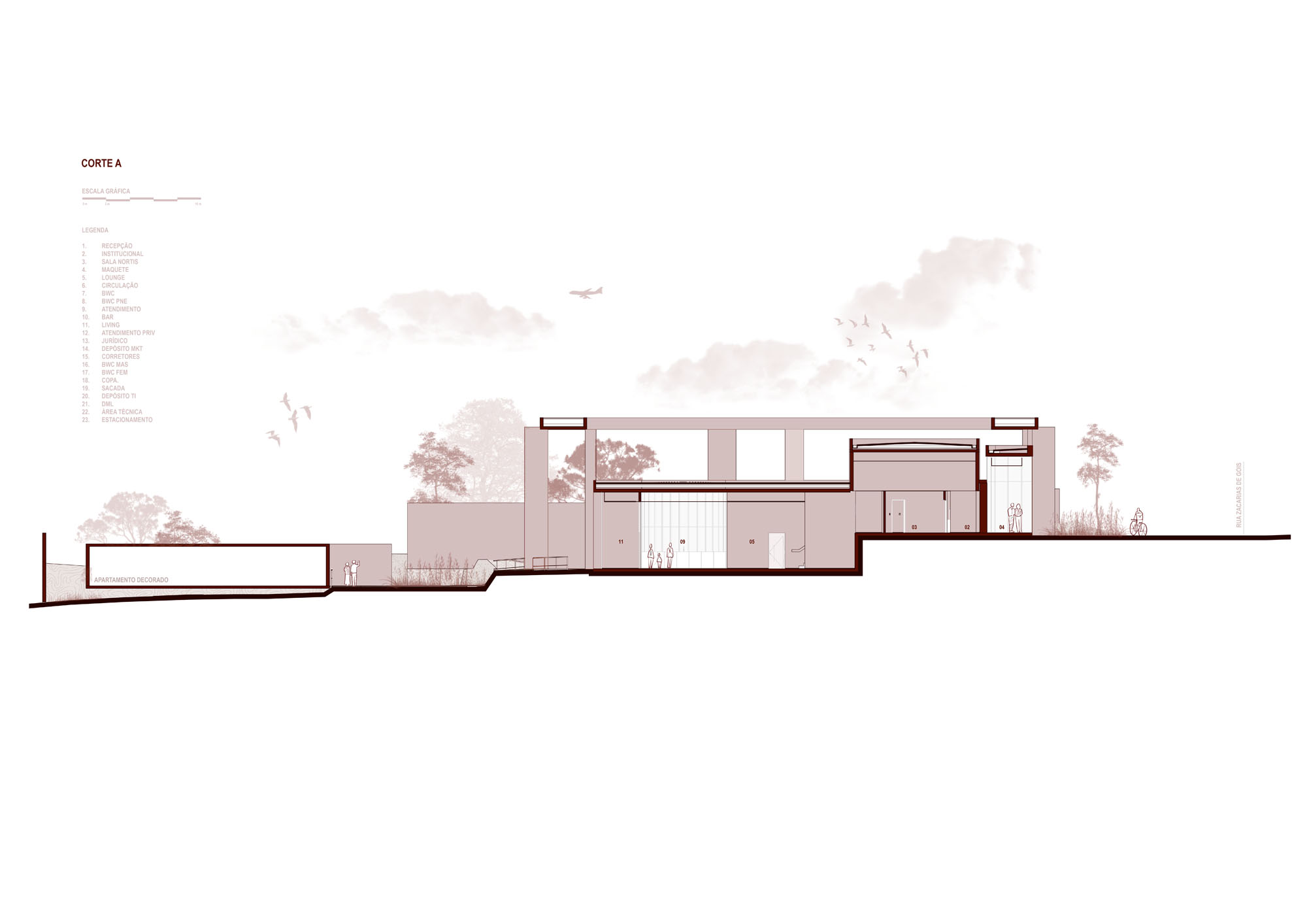
敷地の高低差をそのまま活かし、環境に呼応する配置計画
ブラジルのコンクリート・アートを参照した、「形態・スケール・光」に純化した構成
大地との力強い結びつきや重厚感を表現したモノクロームな建築空間
(以下、エスタディオ・レオナルド・ザナッタから提供されたプレスキットのテキストの抄訳)
©︎ Israel Gollino
幾何学的なボリュームと大地との関わりを探求する実験的なパビリオン
地形を活かした視覚的な存在感
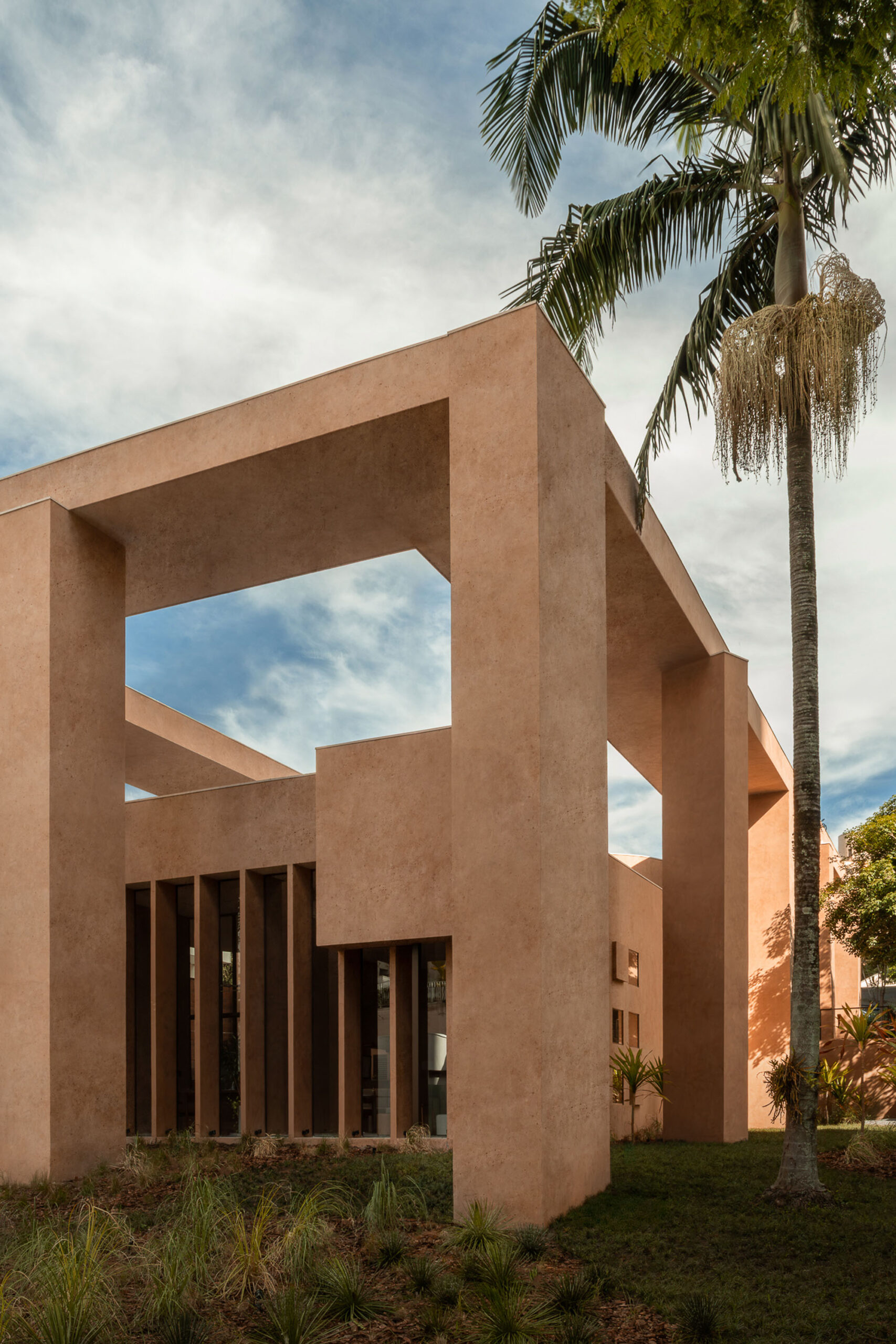
建築家レオナルド・ザナッタ(Leonardo Zanatta)が設計し、Nortis Incが開発したこのプロジェクトは、敷地内の自然な高低差を活用し、ブラジルのコンクリート・アートやネオコンクリート・アートに着想を得たモノクロームの構造体を創り出している。
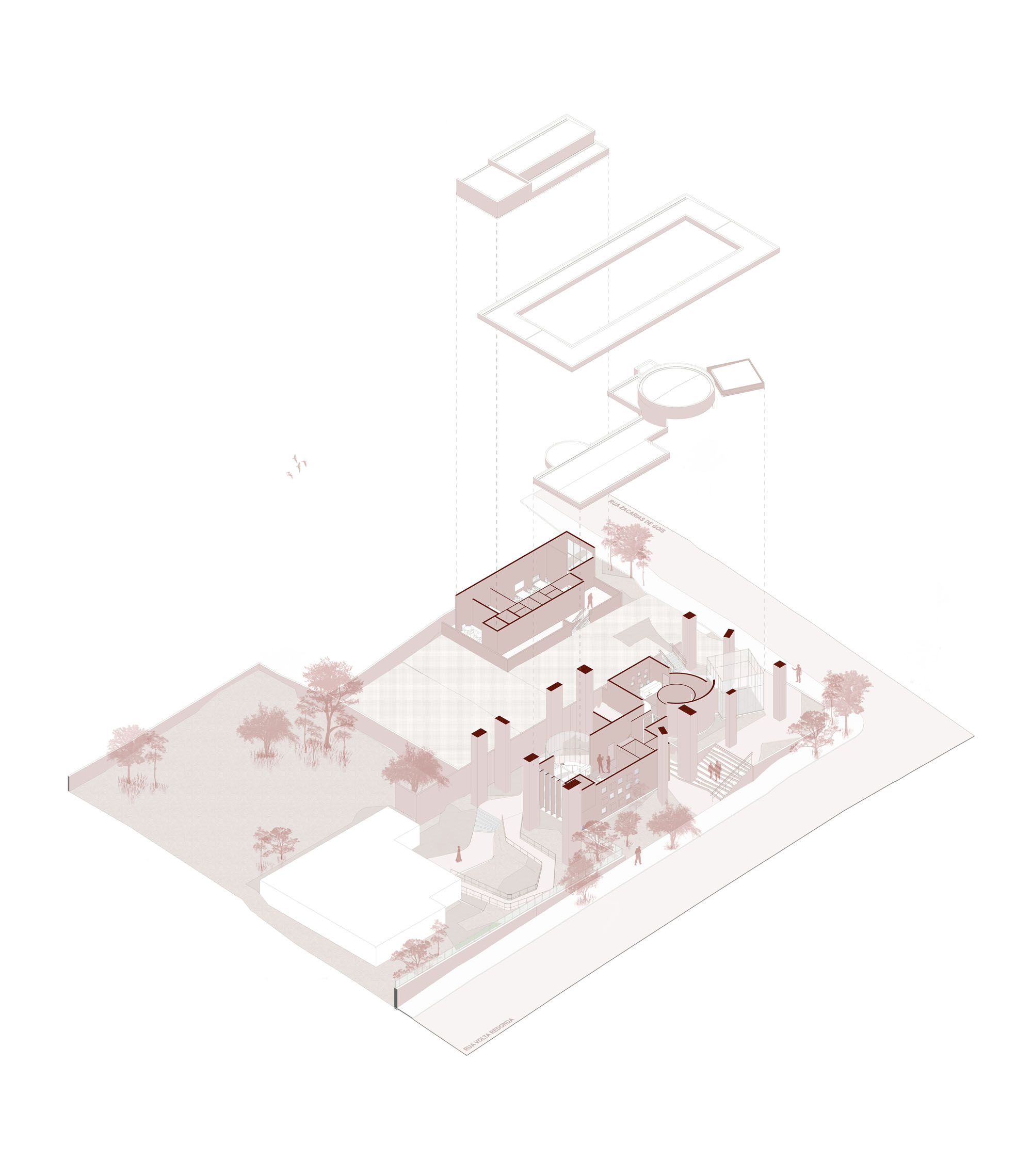
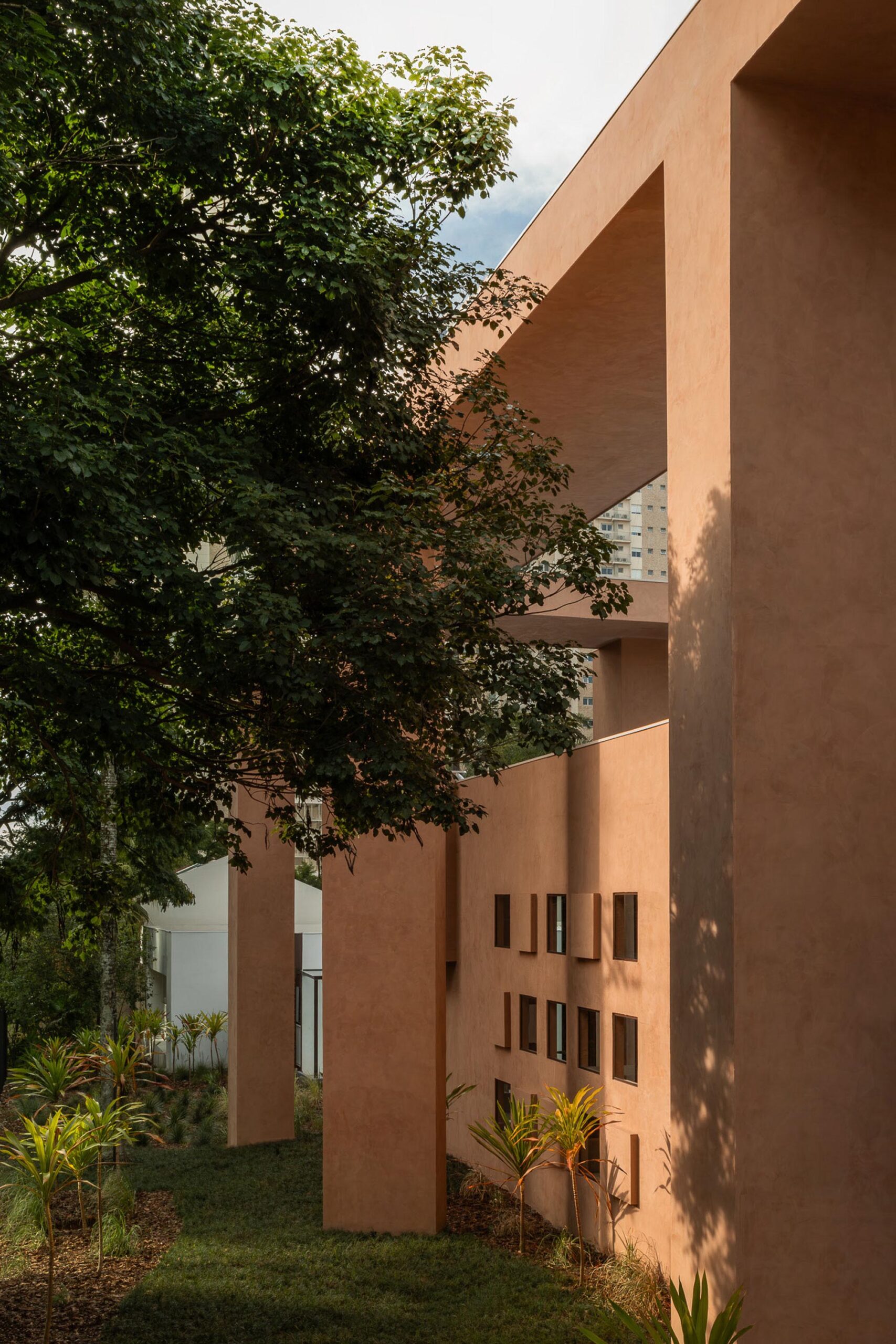
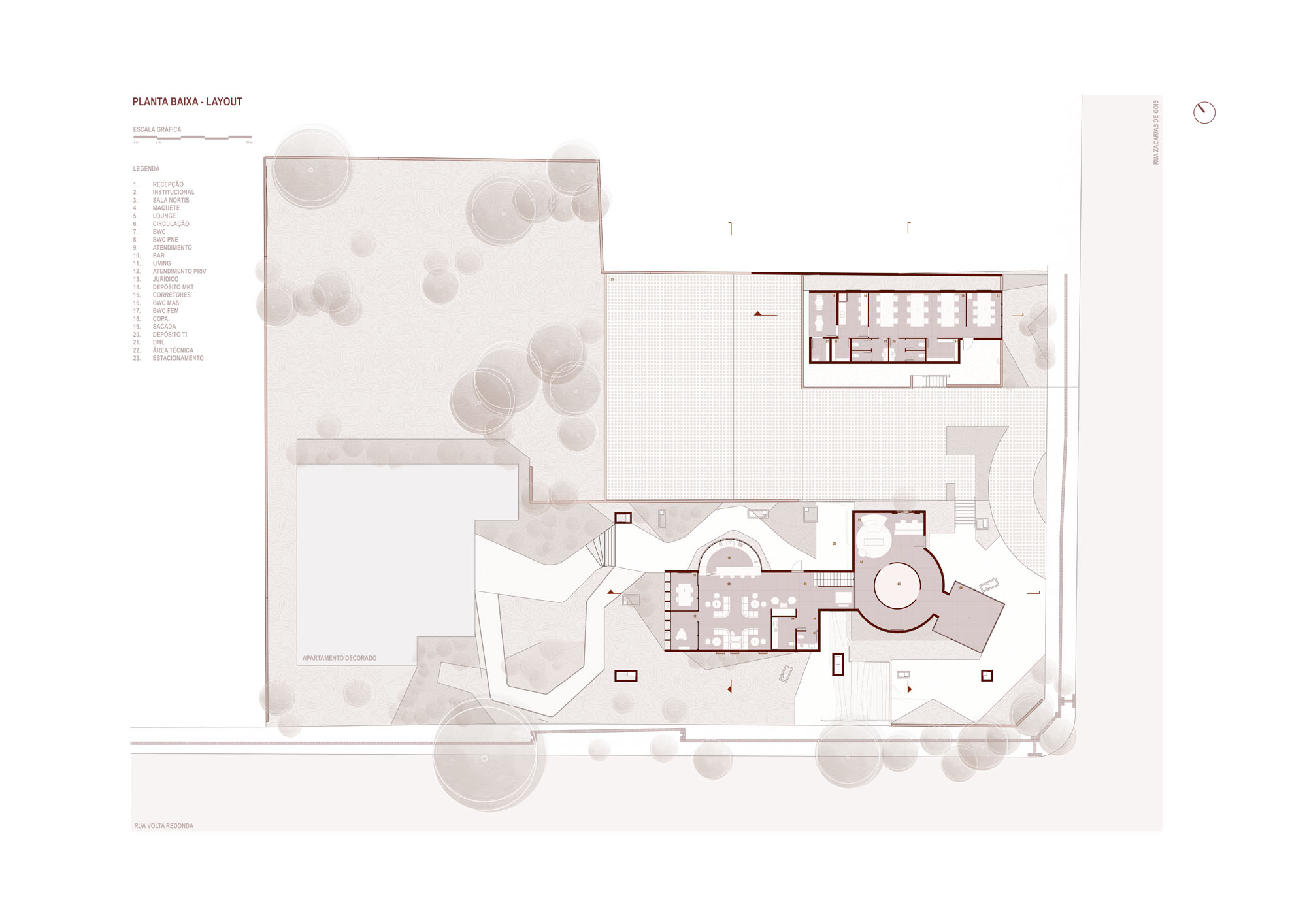
ブラジル・サンパウロのカンポ・ベロに建つこの380m²の実験的パビリオンは、敷地内の自然な高低差を活用し、最小限の土工工事で視覚的に印象的な空間を創出している。
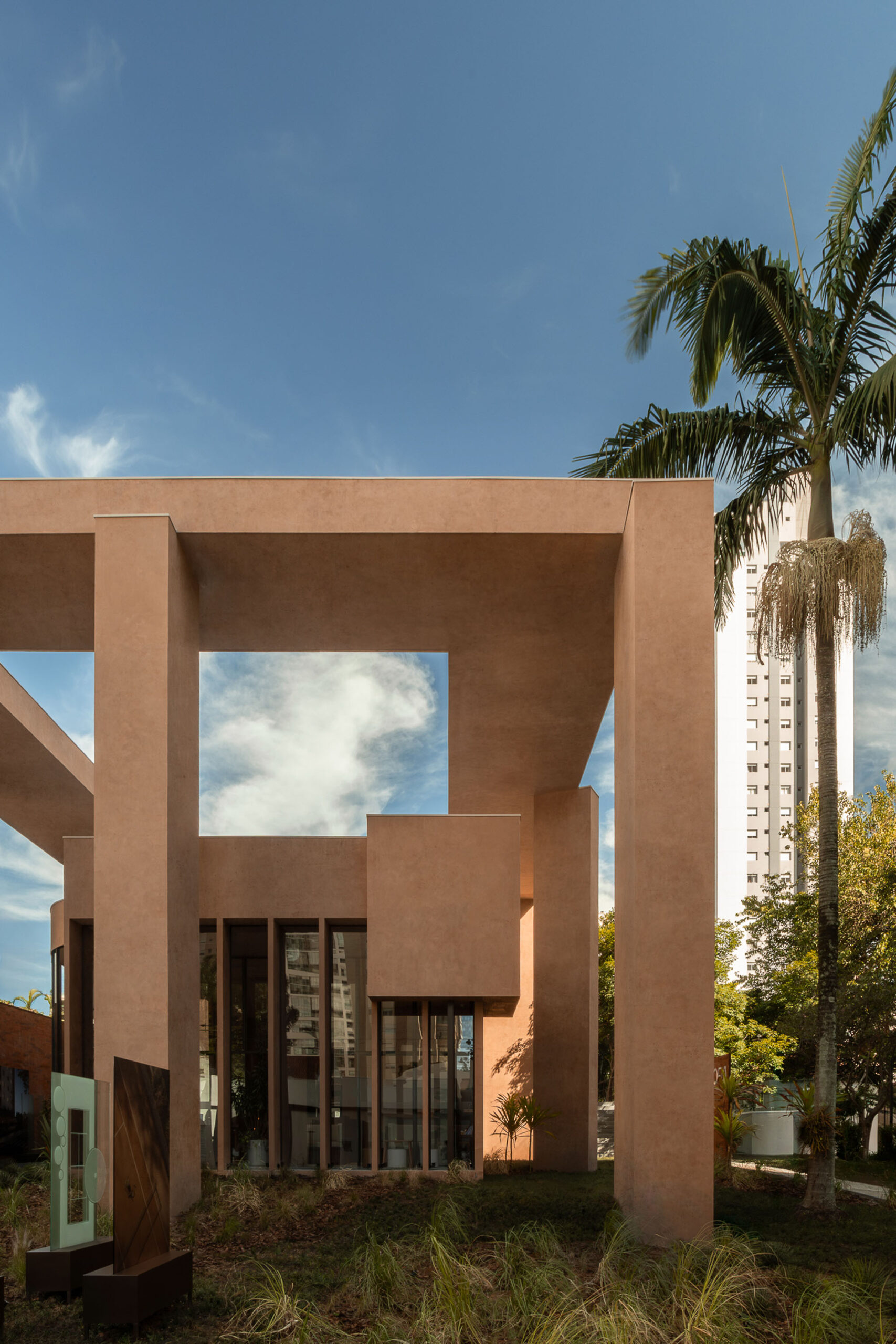
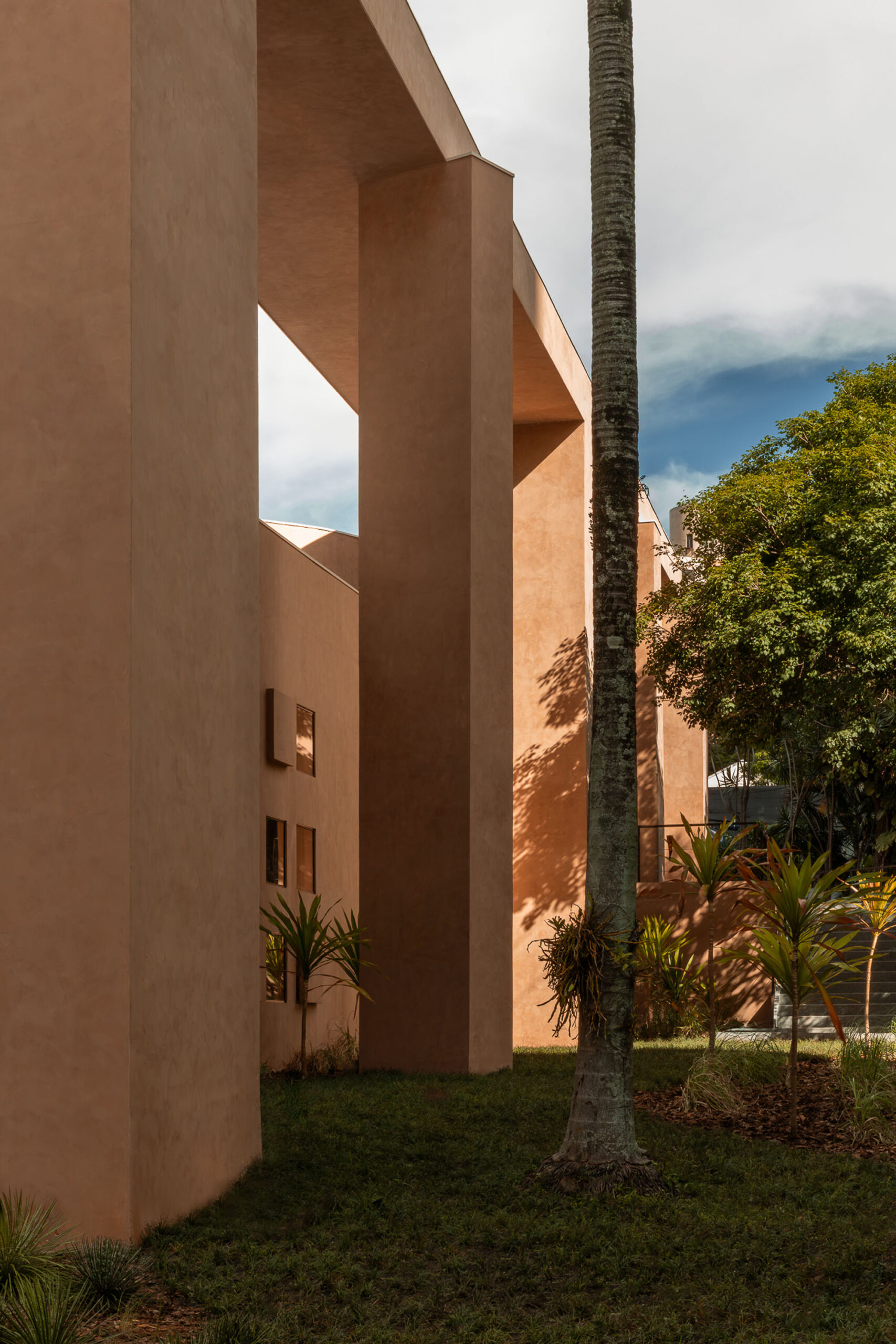
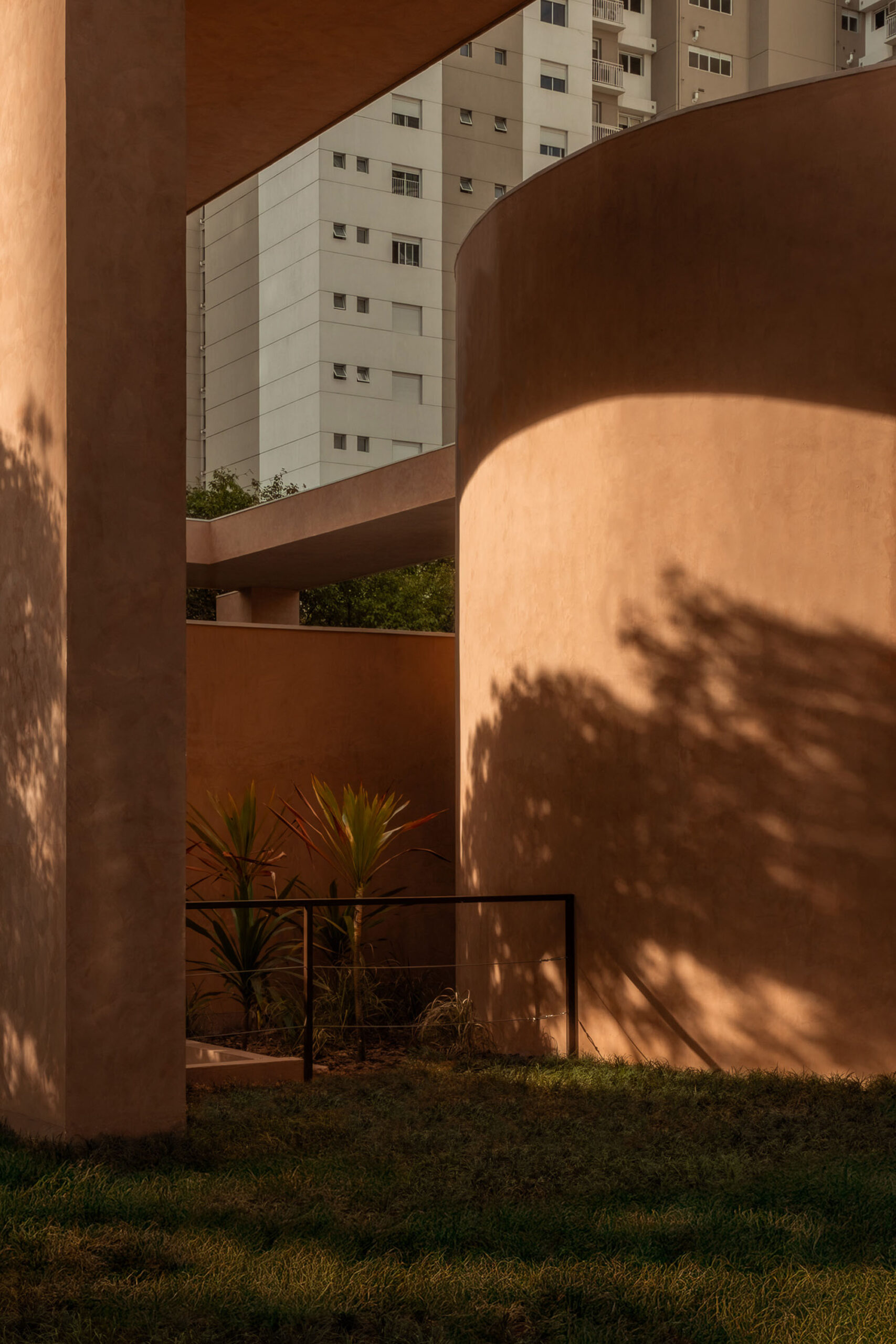
「この設計により、建築群に一定の抑制された重厚感が生まれる。周囲の高い住宅タワーと比べると小さく見える一方で、通りを歩く人やプロジェクトの庭園を散策する人にとっては、強い視覚的な存在感を放つ建物となっている。」
レオナルド・ザナッタ(Leonardo Zanatta)
©︎ Israel Gollino
©︎ Israel Gollino
大地との結びつきの探求
〈ソフィア・パビリオン〉は、サンパウロのさまざまな地区や都市環境において展開される一連の仮設建築プロジェクトの第2弾であり、それぞれが独自の建築言語、タイプ、そして都市との関わりを探求している。
ブルックリン地区で建設された第1弾〈テス・パビリオン〉が、軽やかさとブラジル近代建築の遺産に焦点を当てたのに対し、本プロジェクトは地質学、重量、堅固さ、そして大地との結びつきという概念に目を向けている。
ブラジル・サンパウロの住宅地に浮かぶ大屋根〈テス・パビリオン〉設計:エスタディオ・レオナルド・ザナッタ
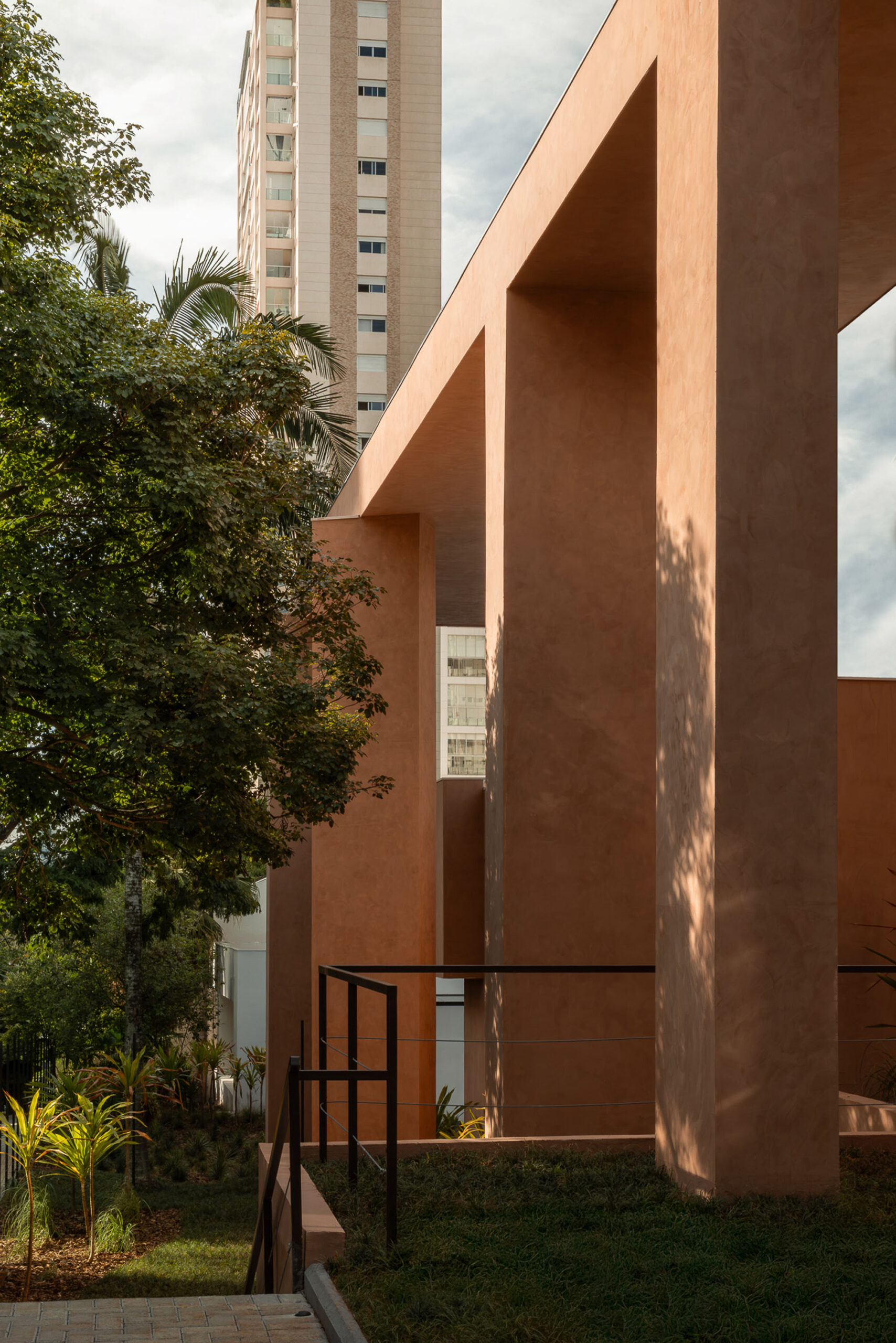
「前回のパビリオンが形式的な軽やかさを追求したのに対し、今回は大地との関わりを強調している。このプロジェクトは、建築と地形とのより直接的な関係性を確立するため、大地との結びつきと、そのボリュームが持つ物理的な存在感を主要な戦略としている。」
レオナルド・ザナッタ(Leonardo Zanatta)
©︎ Israel Gollino
芸術に着想を得た幾何学的構成
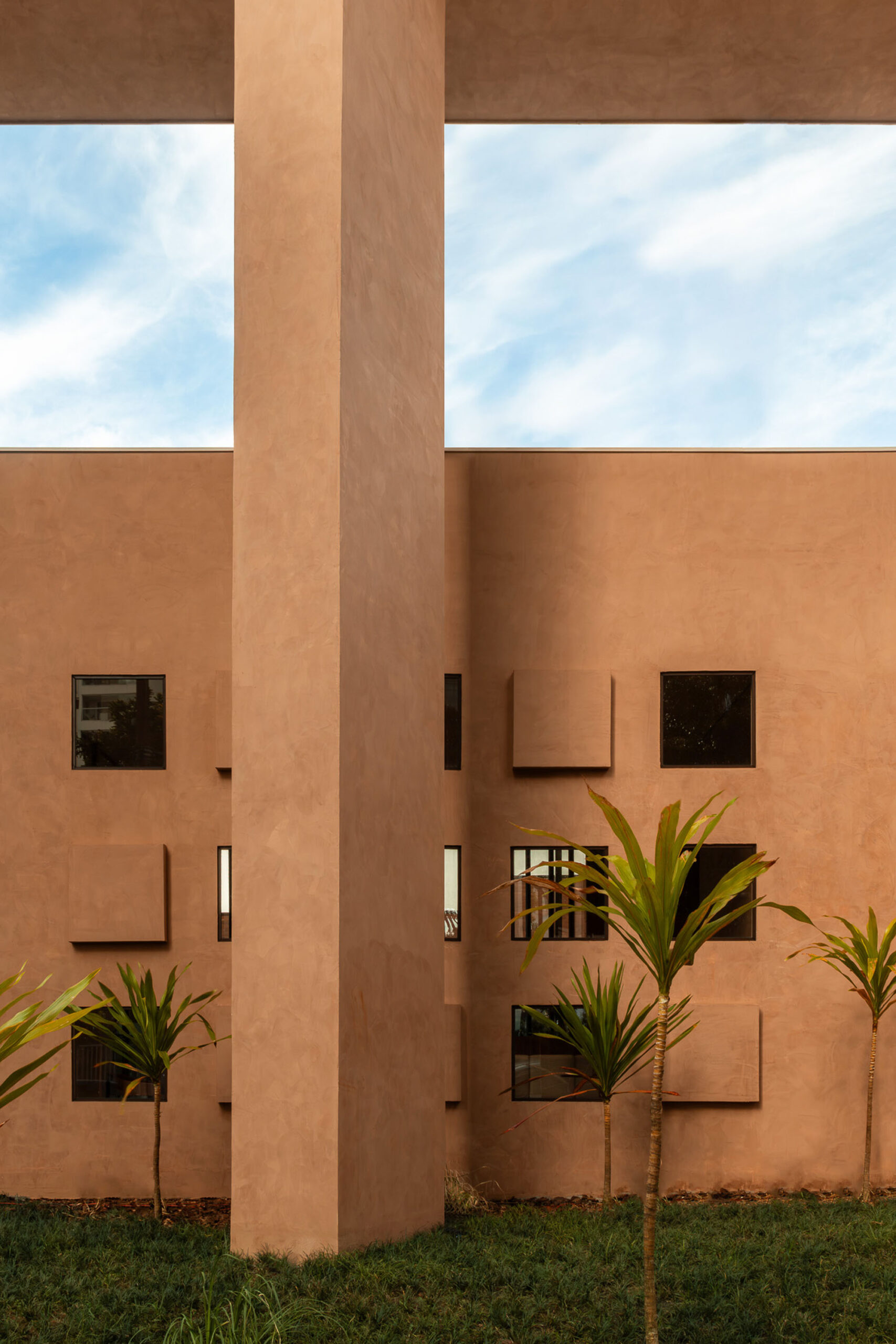
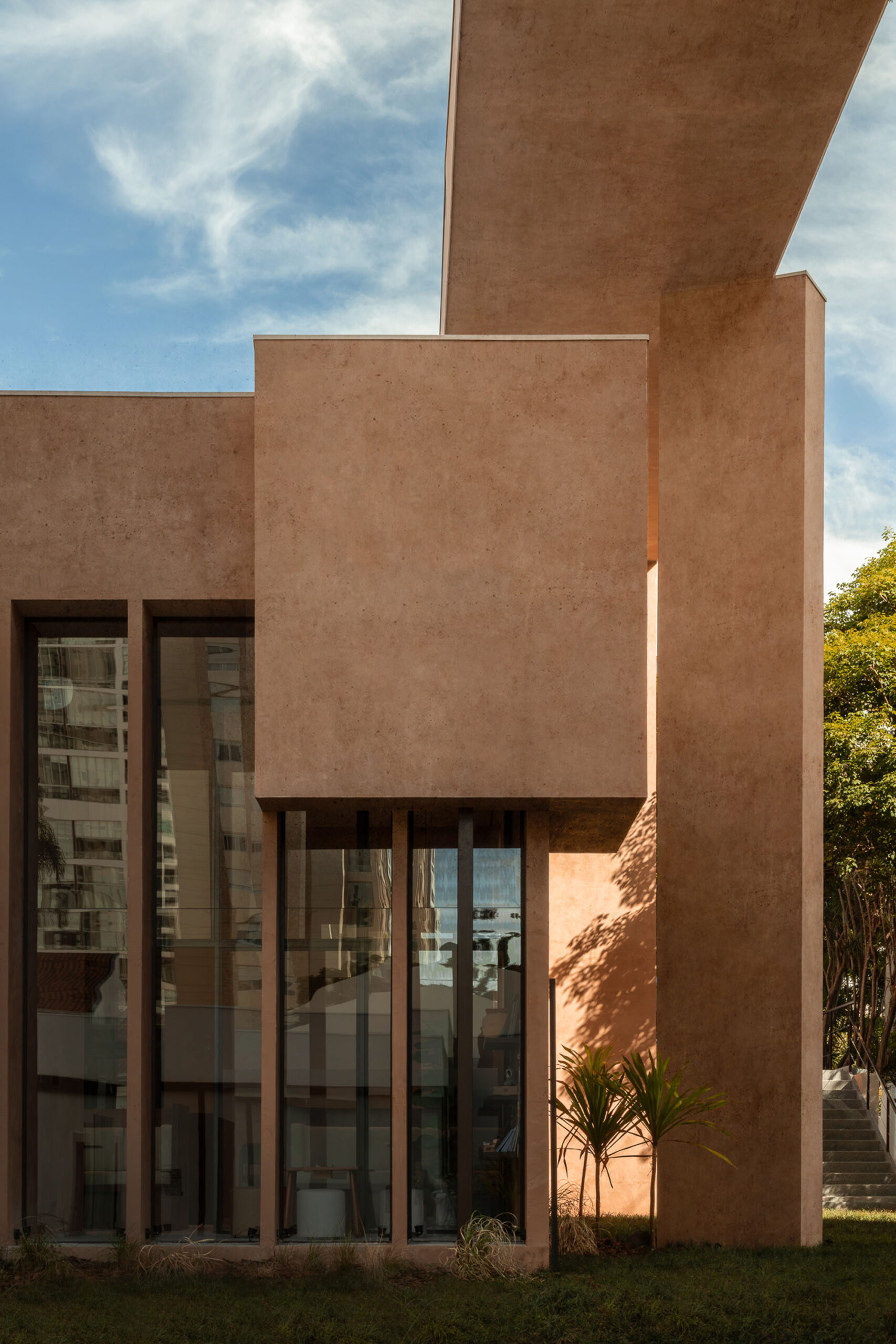
キャノピーは日よけとして機能し、影を落とし、建物の周囲を往来する人々を雨から守る。また、統一要素としても働き、ブラジルのコンクリート・アートやネオコンクリート・アートに着想を得たボリュームの相互作用を枠取り、厳格な幾何学的構成が形態の配置を導いている。主な参照対象には、ブラジルの芸術家リジア・パペ(Lygia Pape)やエリオ・オイティシカ(Hélio Oiticica)の作品がある。
「我々は、このパビリオンが都市スケールにおける彫刻のように振る舞い、内部空間の流動性を確保しつつ、周囲との対比を生み出すことを望んだ。」
レオナルド・ザナッタ(Leonardo Zanatta)
Isometric
©︎ Israel Gollino
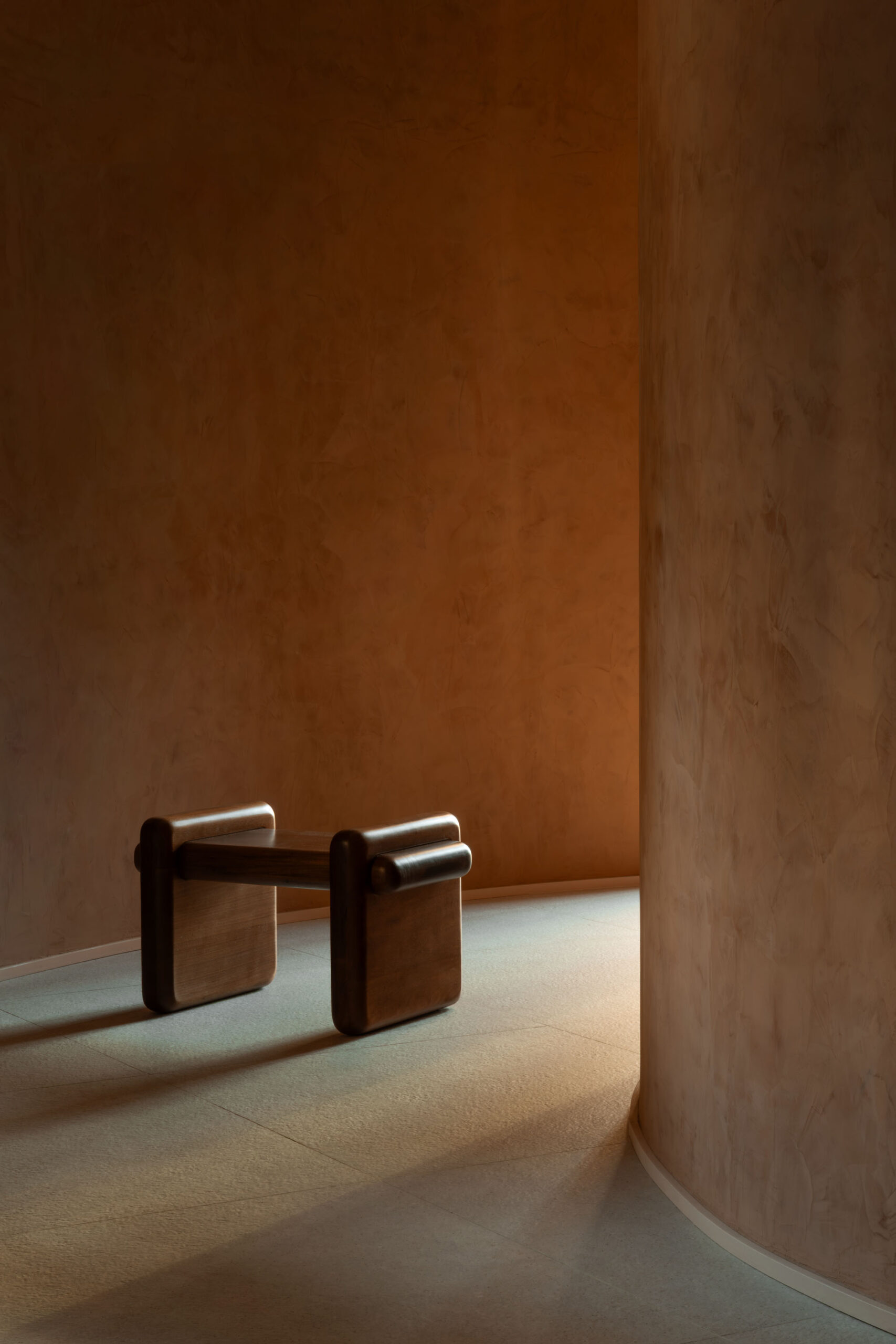
光と影、そしてギャラリーとしての側面
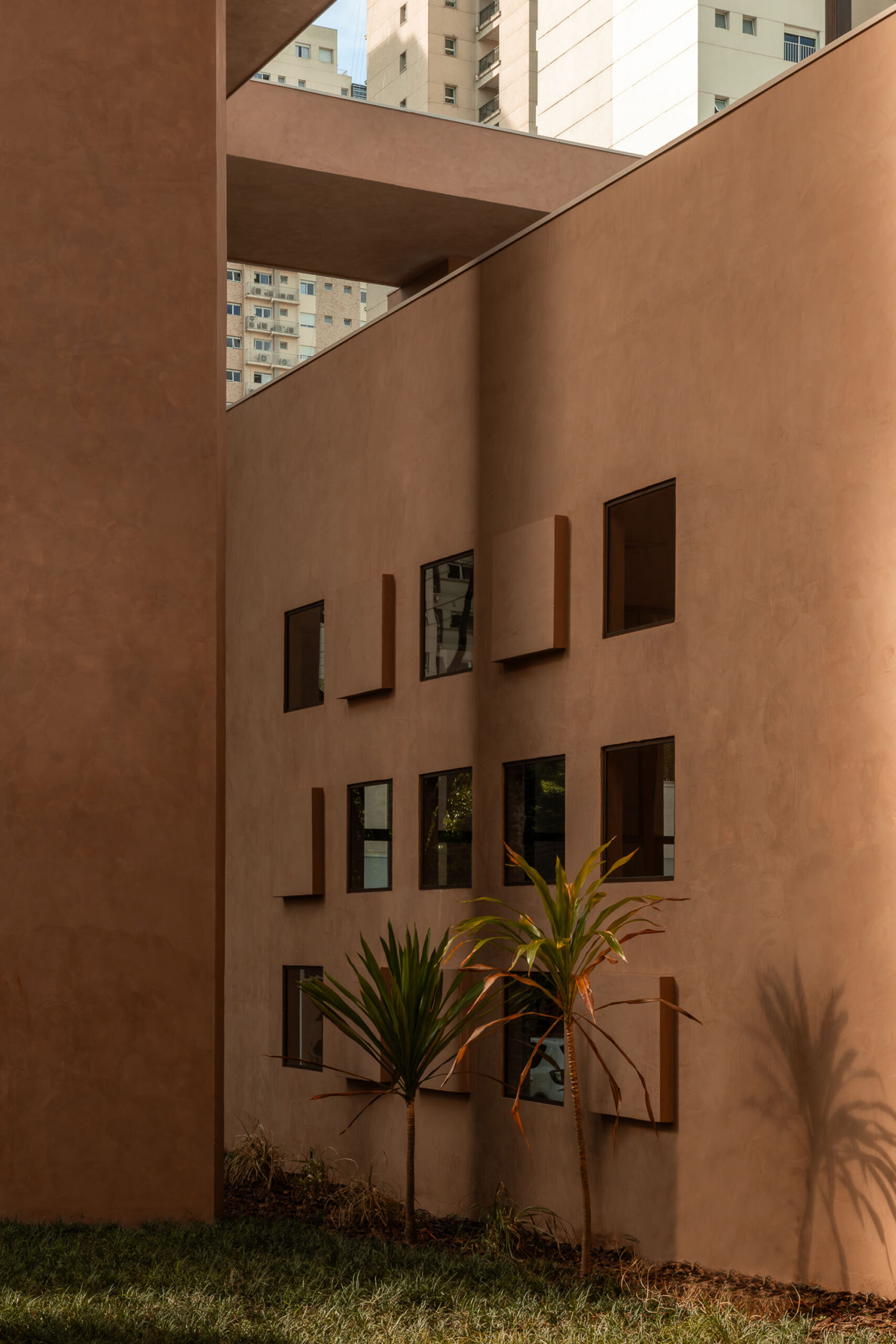
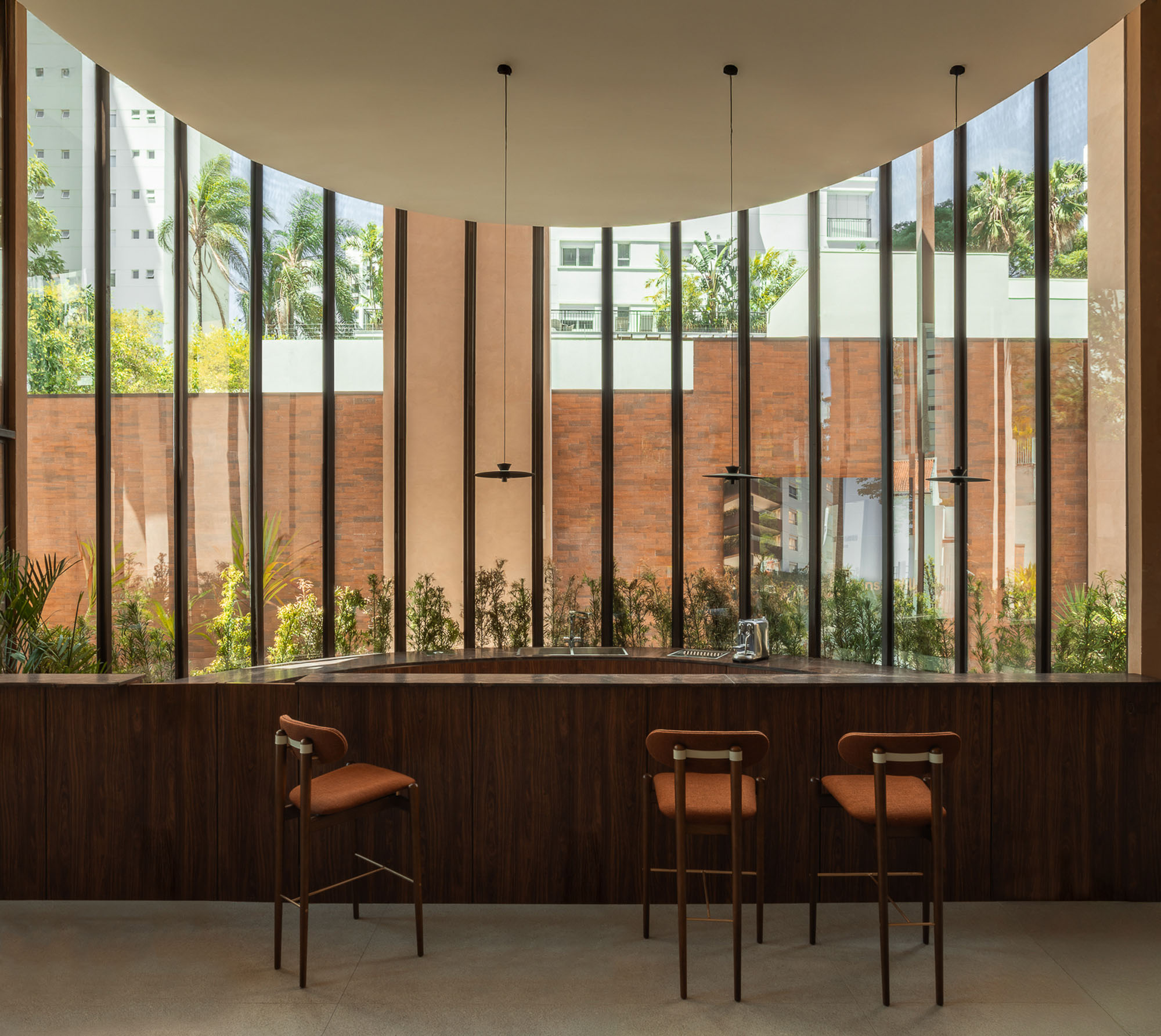
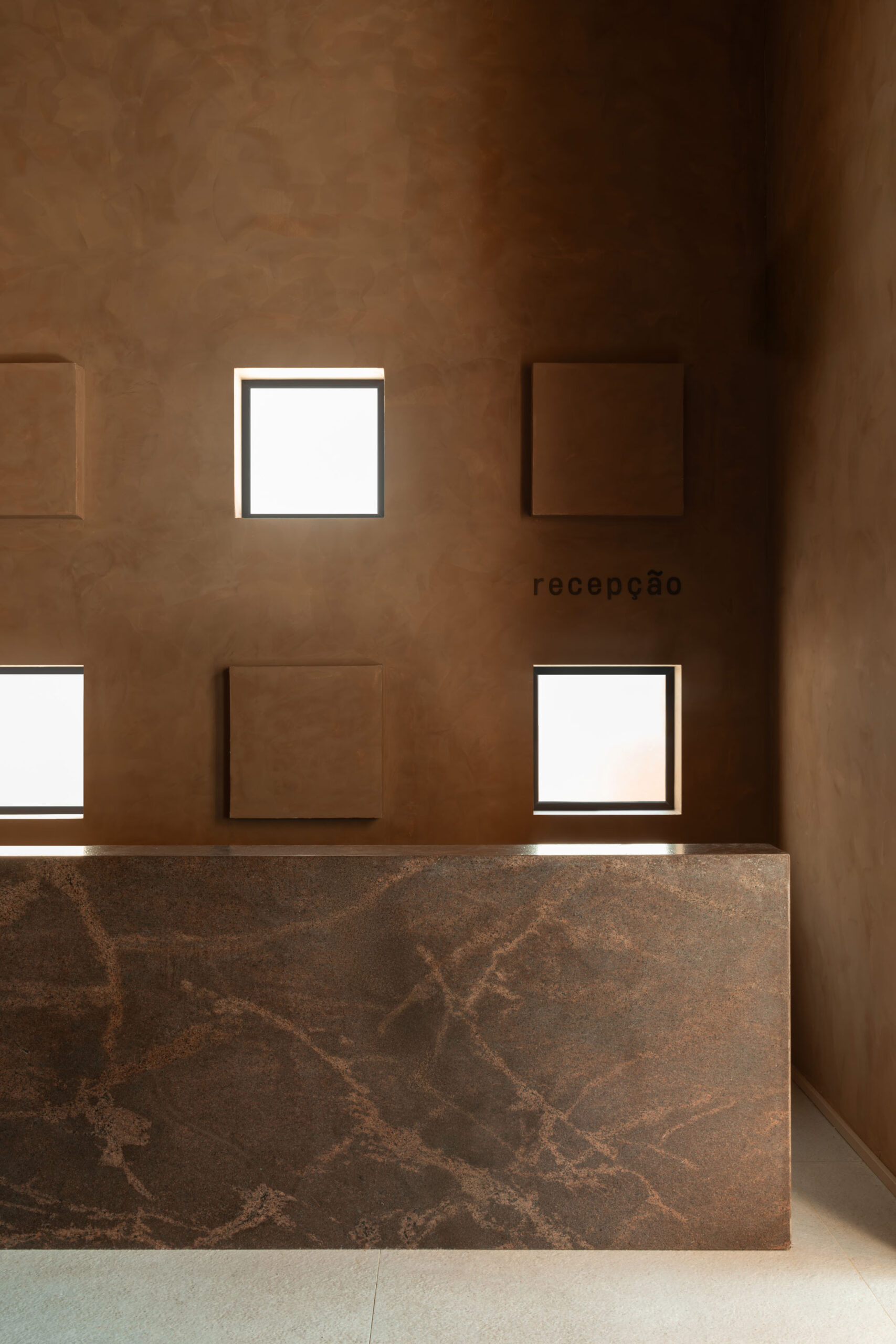
パビリオン内の動線は、スケールや方向の変化によって特徴づけられ、開放的なエリアとより閉鎖的な空間が交互に現れる。慎重に配置された開口部は、周囲の景観との間、そして内部環境同士の間で、特定の視覚的関係性を生み出している。
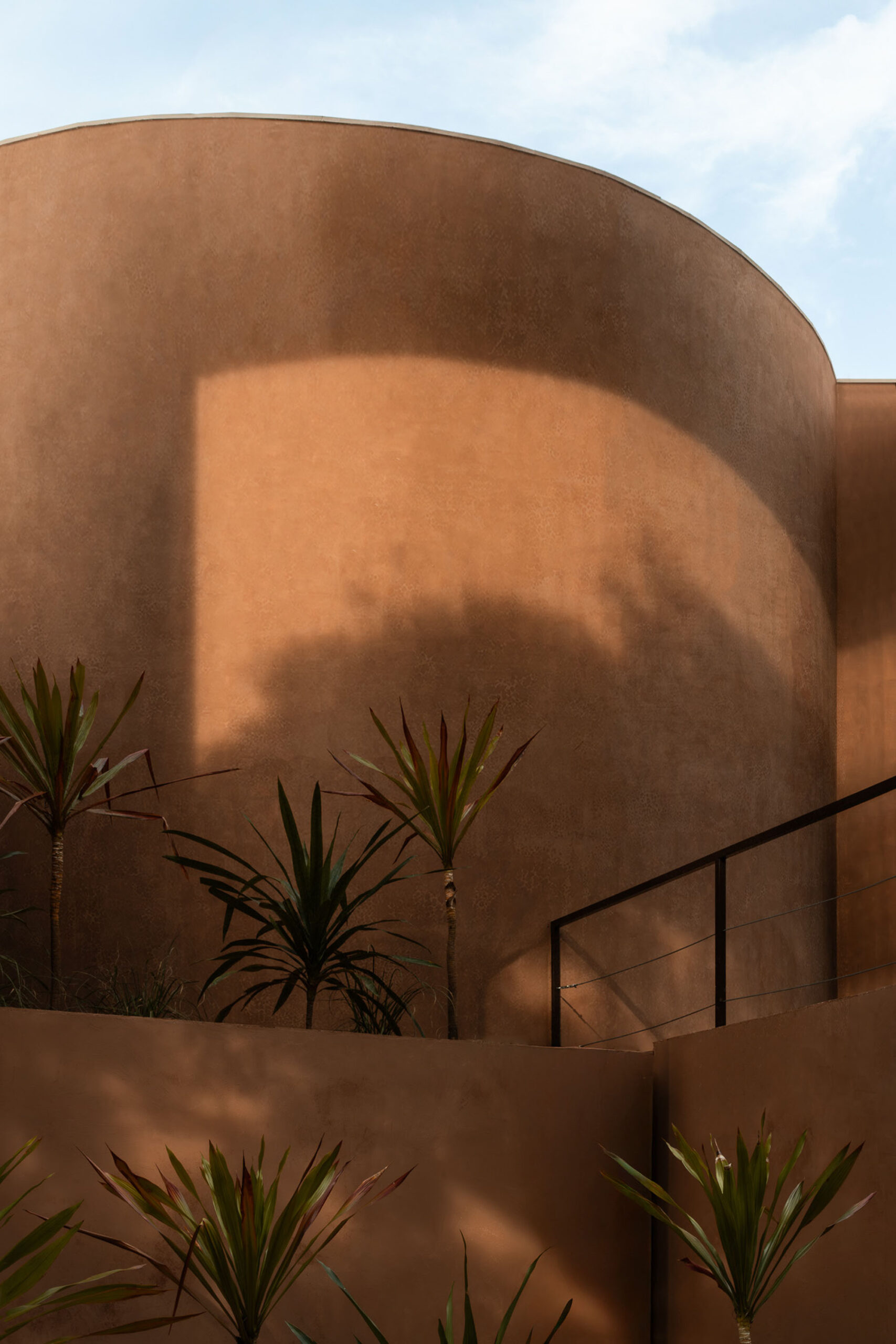
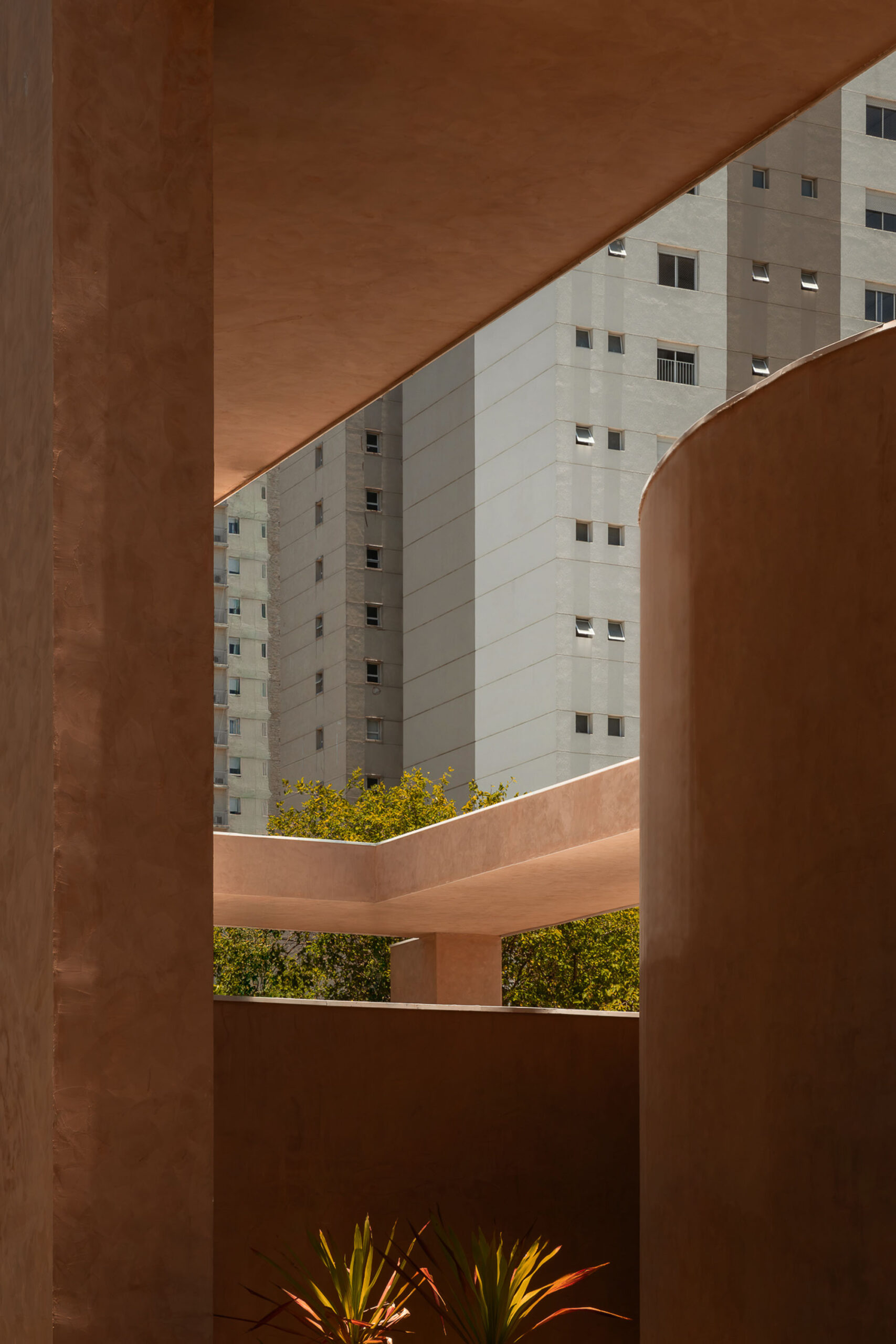
モノクロームの構成は、全体像の理解を強め、光の当たり方や表面を横切る影の描かれ方に注意を向けさせる。
「この構成は色彩の変化に依存するのではなく、形態、スケール、そして照明の関係性に基づいている。」
レオナルド・ザナッタ(Leonardo Zanatta)
©︎ Israel Gollino
家具には、エスタディオ・レオナルド・ザナッタのデザイン部門が手がけた作品が含まれており、その一部はまだ試作段階にある。
「これにより、このプロジェクトは単なる商業空間としてだけでなく、実験と芸術に開かれたギャラリーとしての側面も確立される。」
レオナルド・ザナッタ(Leonardo Zanatta)
©︎ Israel Gollino
©︎ Israel Gollino
©︎ Israel Gollino
©︎ Israel Gollino
©︎ Israel Gollino
©︎ Israel Gollino
©︎ Israel Gollino
©︎ Israel Gollino
©︎ Israel Gollino
Site Plan
Plan
Section
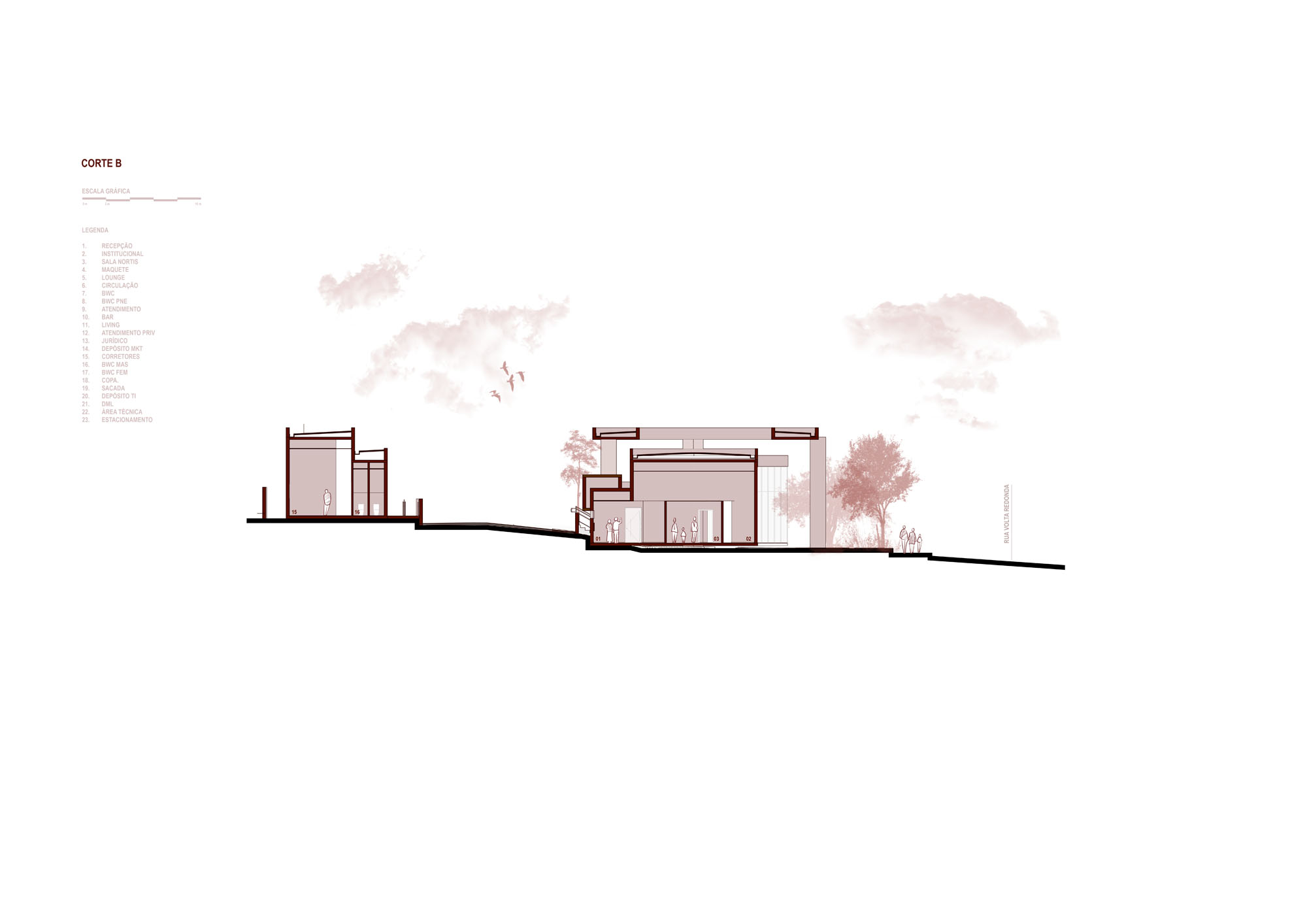
Section
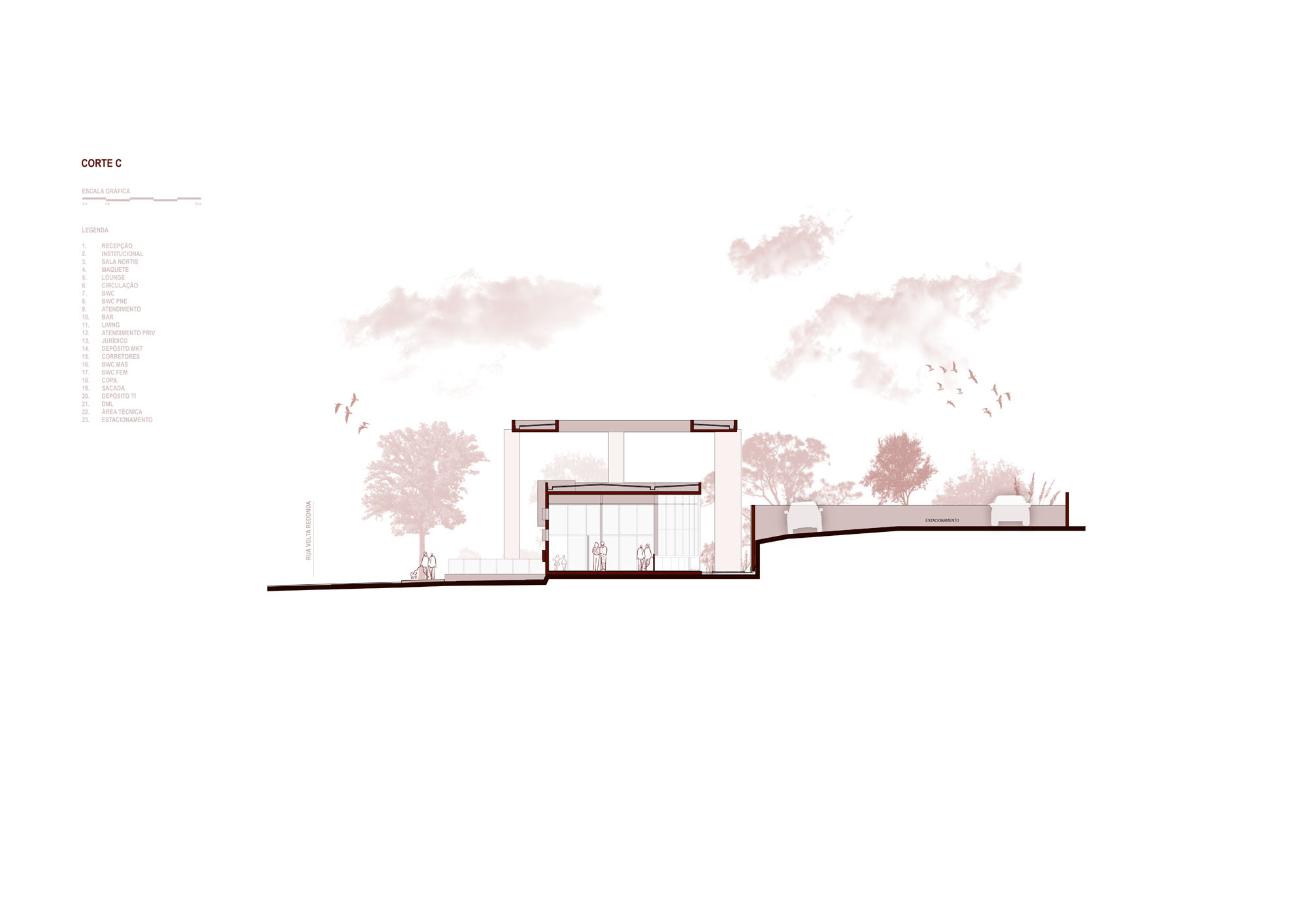
Section
以下、エスタディオ・レオナルド・ザナッタのリリース(英文)です。
Sofia Pavilion – Leonardo Zanatta Arquitetura
São Paulo – Brasil
680m²
Year: 2025
Photographer Credits: Israel Gollino
Team: Leonardo Zanatta, Henrique Azevedo, Nathalia Wehmuth, Lucas Carilli, Davi Erbs
Development: Nortis Inc.
Experimental pavilion explores geometric volumes and the relationship with the ground
Designed by architect Leonardo Zanatta, the project uses the site’s natural level changes to create a monochromatic structure inspired by Brazilian concrete and neoconcrete art.
In Campo Belo, São Paulo, a 380-square-meter experimental pavilion designed by architect Leonardo Zanatta and developed by Nortis Inc uses the site’s natural level changes to create a visually striking project with minimal earthwork.
“This gives the ensemble a certain controlled monumentality. It is a building that becomes smaller in relation to the tall residential towers around it, yet asserts a strong visual presence for those passing by the street or moving through the project’s gardens,” says Leonardo.
Pavilhão Sofia is the second in a series of temporary structures developed in different neighborhoods and urban contexts across São Paulo, each exploring distinct architectural languages, typologies and relationships with the city. While the first, Pavilhão Tess, in Brooklin, addressed lightness and the legacy of Brazilian modern architecture, this project turns to ideas of geology, weight, solidity and grounding.
“While the previous pavilion explored a greater sense of formal lightness, this one emphasizes its relationship with the ground. The project relies on grounding and on the physical presence of its volumes as its main strategy, establishing a more direct reading between architecture and terrain,” the architect explains.
The canopy acts as a sunshade, casting shadows and protecting those circulating around the building from rain. It also works as a unifying element, framing the interplay of volumes inspired by Brazilian concrete and neoconcrete art, with a rigorous geometric composition guiding the arrangement of forms. Among the main references are the works of Brazilian artists Lygia Pape and Hélio Oiticica.
“We wanted the pavilion to behave like a sculpture at an urban scale, ensuring internal spatial fluidity while creating contrast with its surroundings,” Leonardo reflects.
The route through the pavilion is marked by changes in scale and direction, alternating between open areas and more contained spaces. Carefully positioned openings create specific visual relationships both with the surrounding landscape and between the interior environments themselves.
The monochromatic composition reinforces the reading of the whole and shifts attention to the incidence of light and the drawing of shadows across the surfaces. “The composition does not depend on chromatic variation, but on the relationship between form, scale and lighting,” he notes.
The furniture includes pieces designed by the design division of Leonardo Zanatta Arquitetura, some of which are still in the prototype stage. “This consolidates the project not only as a commercial space, but as a gallery, open to experimentation and art,” the architect concludes.