
Ryota Haga was in high school when the biggest earthquake ever recorded in Japan triggered a deadly tsunami and swept away his family home in the quiet northeastern town of Otsuchi in March 2011.
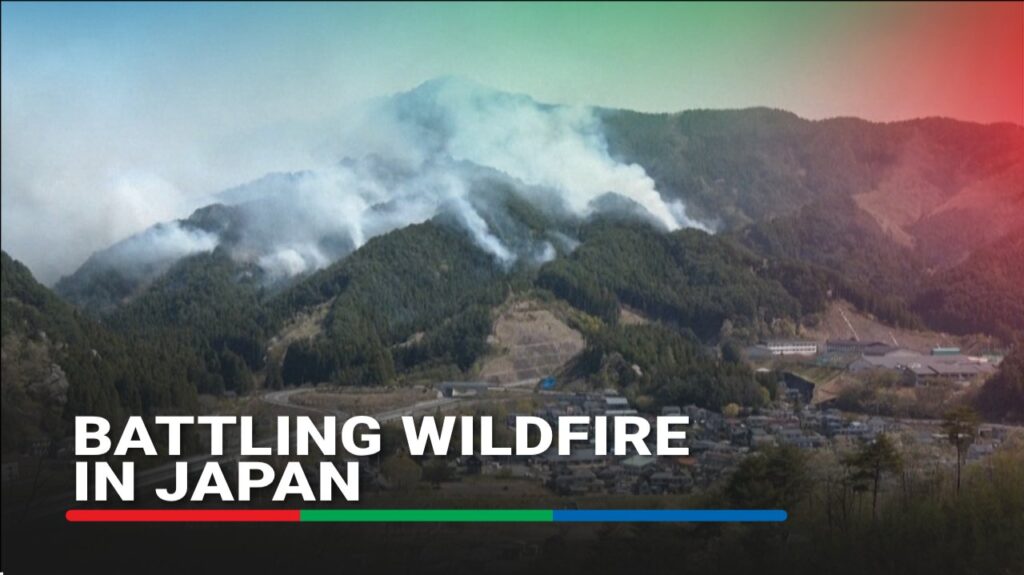
Now 31 with a wife and toddler, the volunteer firefighter faces another natural disaster: this time a wildfire raging for a sixth day and threatening his community after burning through more than 1,600 hectares of forest as of Monday morning (April 27).
“Physical fatigue is setting in. The soles of a lot of people’s feet are hurting, including mine. After all, we’re climbing mountain slopes where there are basically no paths, it’s almost like a wall in places,” he said.
Volunteers from Otsuchi and professional firefighters from across Japan tackled the fires, deploying fire hoses and hand-held pumps to extinguish flames which have burned for days on the mountainsides surrounding the rural fishing town.
“This is the first time I’ve encountered a situation where the fire is still not out even after more than two days,” Haga said.
Some 1,400 firefighters from across Japan and Self Defence Force helicopters have been deployed so far, with no prospects yet of bringing the blaze under control despite some scattered rain forecast on Monday.
Otsuchi was among the coastal towns hardest-hit in 2011, when a tsunami estimated around 10 metres (33 ft) high swept homes away. Nearly 1,300 residents, or about a tenth of its population, perished, including its mayor.
The disaster compounded the effects of depopulation common to many parts of rural Japan. The fire brigade Haga belongs to is already below the staffing level set by authorities, he says, sparking concern for the future.
“If a fire of this scale were to happen 10 or 20 years from now, I’m very concerned about whether there would still be people of my generation, when I’m as old as today’s older members, to fill the roles those long-serving members are carrying out now,” Haga said. (Production: Tom Bateman)
#ABSCBNNews | ABS-CBN News