
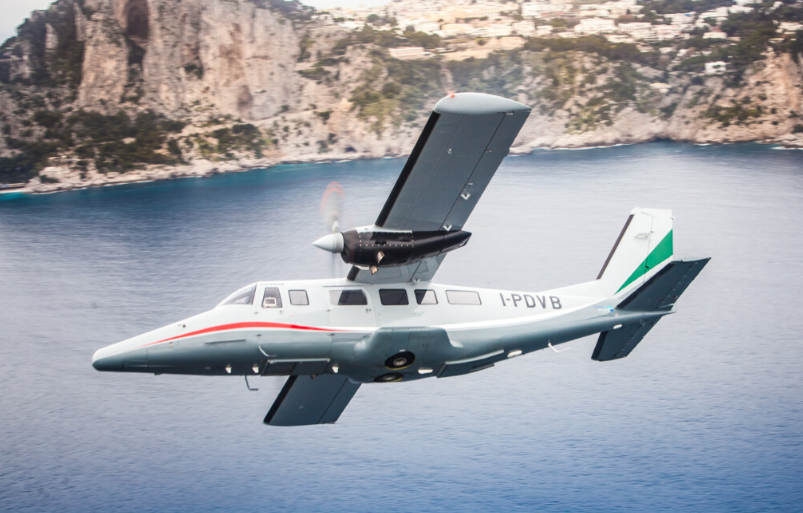
JAKARTA – Production of the A-VIATOR AP-68TP-600 aircraft for the Indonesian Navy (TNI AL) has officially begun in Italy. The aircraft is being manufactured by Vulcanair, following a procurement contract signed in December 2023, which became effective on January 29, 2026.
The agreement covers four aircraft purchased by Indonesia under a foreign procurement scheme, including support services such as pilot and technician training, as well as a customized flight simulator.
As reported by Naval News, the delivery schedule and production timeline for the four aircraft have not yet been officially announced.
Vulcanair stated that this procurement is part of the TNI AL’s air fleet modernization program managed by the Indonesian Ministry of Defense. The Navy requires a modern yet cost-effective air platform for various missions, ranging from flight training and light transport to maritime surveillance and intelligence (ISR).
Currently, the Indonesian Navy’s aviation capability is relatively limited compared to the country’s vast maritime and airspace territory. Its fixed-wing fleet is dominated by aircraft such as the CASA C-212 Aviocar, CASA/IPTN CN-235, Beechcraft King Air 350i, Beechcraft G36 Bonanza, and Piper PA-28 Archer.
The A-VIATOR AP-68TP-600 is a twin-engine turboprop, high-wing, unpressurized aircraft, and a variant of the Vulcanair P.68 series. It is powered by two Rolls-Royce 250-B17/F turboprop engines.
The aircraft has a maximum takeoff weight (MTOW) of approximately 3,000 kg, a maximum landing weight of 2,850 kg, a maximum cruise speed of 396 km/h (214 knots), and an operational ceiling of up to 25,000 feet. Its maximum range is 1,050 nautical miles, and it is capable of operating from short and unpaved runways.
The A-VIATOR can accommodate up to 11 people, including two pilots, depending on the configuration. Its mission roles include cargo transport, maritime patrol, medical evacuation, passenger transport, and special operations. The aircraft is equipped with modern avionics for instrument flight operations and is designed for durability, ease of maintenance, operational flexibility, and cost efficiency. (DK/LM)
as a preferred source on Google