
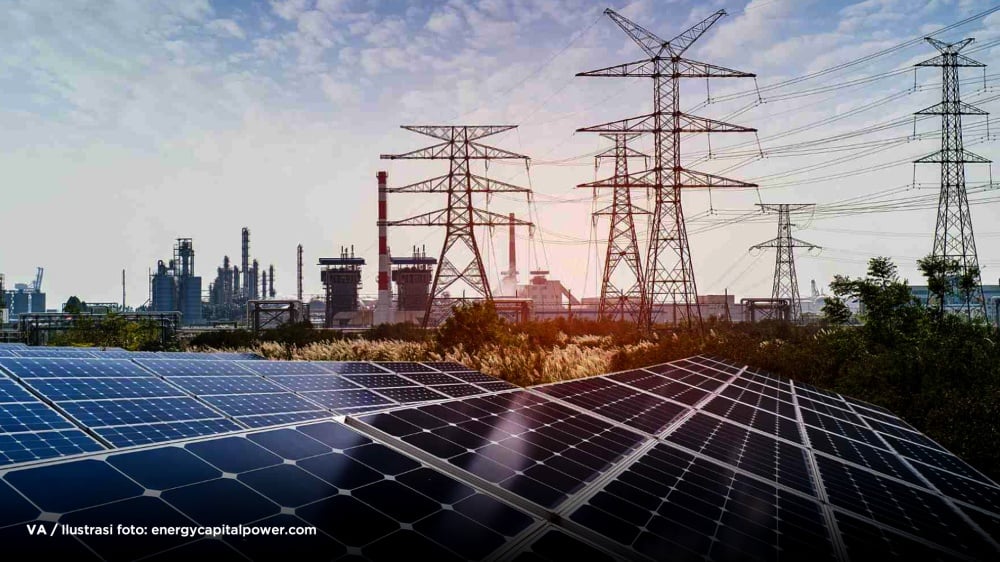
Europe’s renewable energy and battery capacity is projected to reach 35 GW.
JAKARTA – The development of renewable energy projects in Europe is increasingly relying on a combination of wind and solar power generation integrated with battery storage systems.
The move is aimed at helping electricity producers store energy during periods of excess supply, reducing the need to sell power at a loss when markets face oversupply, according to Reuters.
According to the latest report covering 20 major electricity markets in Europe, the capacity of renewable energy projects integrated with battery systems reached 6.3 gigawatts (GW) in 2025. Most of this came from solar-plus-battery projects, which accounted for more than 60% of total installations.
That capacity is expected to surge to around 35 GW by 2030 as demand grows for greater grid flexibility and energy storage.
Germany is considered the most attractive market for developing combined renewable energy and battery projects, offering stronger potential investment returns. The UK and Bulgaria rank next.
Meanwhile, Spain, Hungary and France are seen as markets to watch as they undergo regulatory reforms in the energy sector.
The report also recorded a sharp rise in negative electricity pricing hours across Europe during 2025.
Spain, the Netherlands and Germany each recorded more than 500 hours of negative pricing — a situation in which electricity producers must pay for their power to remain absorbed by the grid because of excess supply.
The phenomenon of renewable electricity curtailment is also expected to increase sharply.
The volume of curtailed energy is projected to rise from more than 10 terawatt hours (TWh) in 2024 to around 33 TWh by 2030 in an effort to maintain grid stability when supply exceeds demand. (DK/ZH)
as a preferred source on Google