
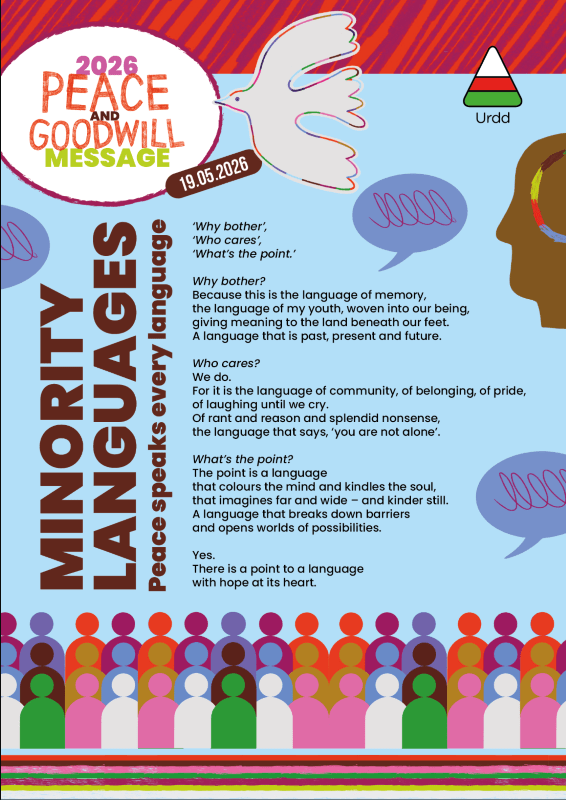
“Why bother”, “Who cares”, “What’s the point.” These are the starting lines of the 2026 Peace and Goodwill Message produced by Welsh youth organization, the Urdd. Rendered as a 23-line poem, the message rails against indifference towards minority languages by emphasizing their essential role in fostering memory, community and imagination.
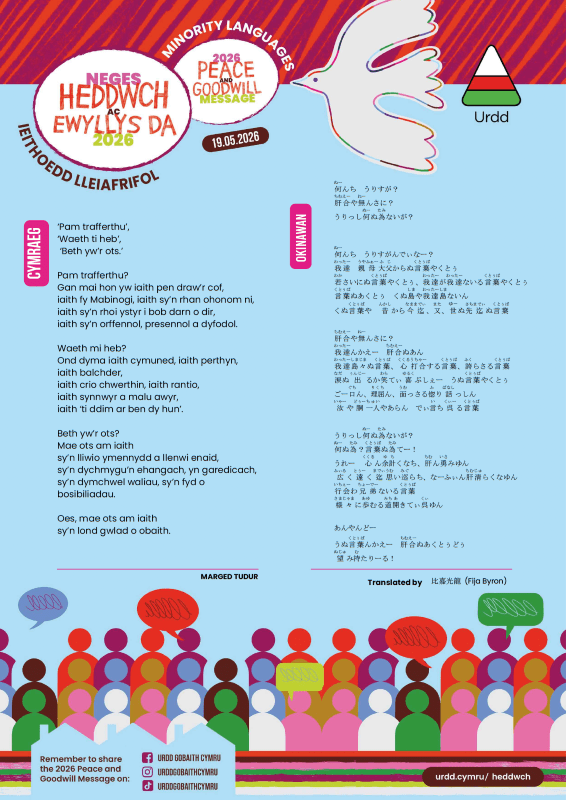
The message has particular resonance for Okinawa Prefecture and its vicinity where there are six Ryukyuan languages – all of which UNESCO categorises as endangered – but there have been few official policies to preserve, let alone promote, them. Linguist Fija Byron, who has translated the annual Urdd messages into Uchinaaguchi since 2024, praised this year’s poem: “It speaks to the hearts of minority peoples. It made me feel that the people of Wales are suffering and grieving in much the same way as we Ruuchuuans (Ryukyuans) are.”
Related:
Global Peace and Goodwill Message translate・・・
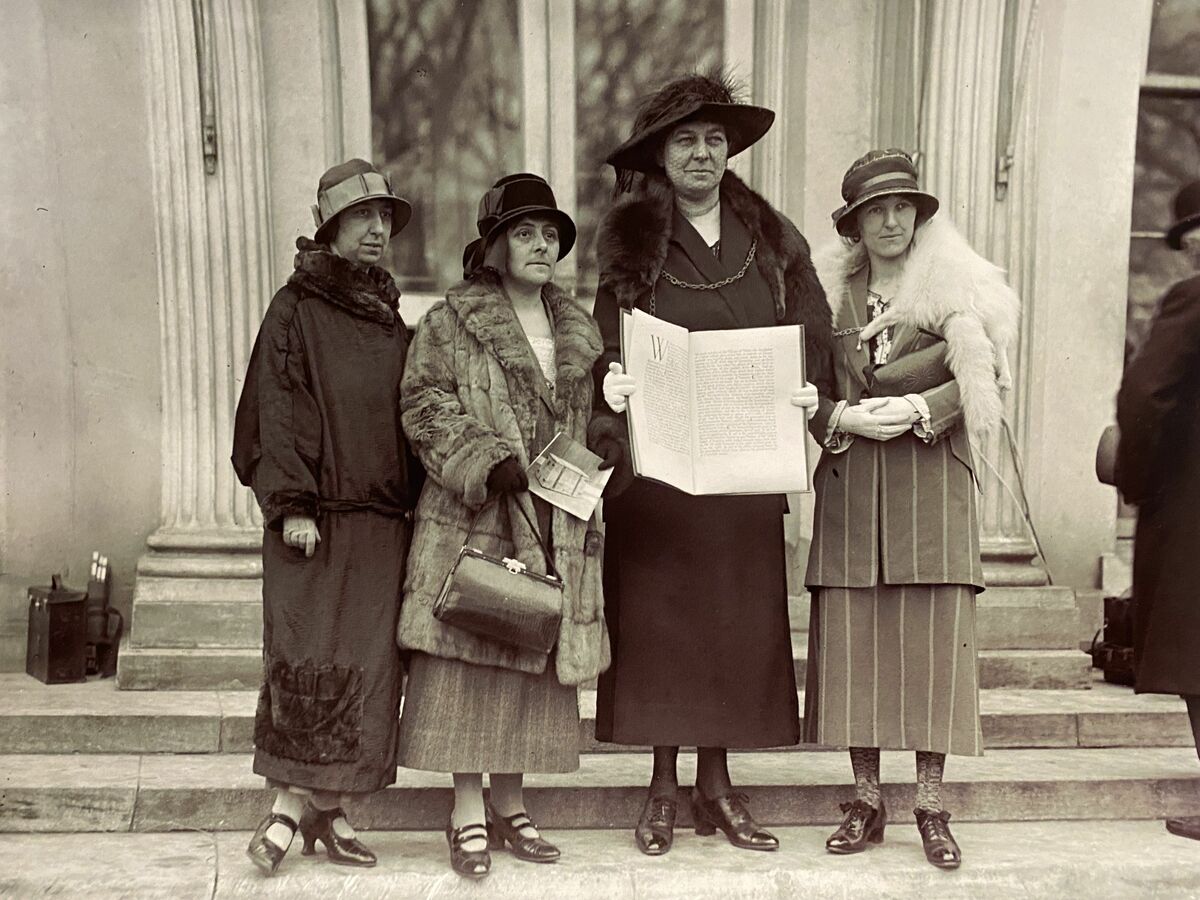
Since 1922, young people from Wales have shared an annual・・・
For 104 years, an annual peace message has been written in Wales and shared around the world – initially via Morse code and radio but today by the Internet and social media. Translated by volunteers into dozens of languages, past messages have addressed such urgent issues as the abolition of nuclear weapons and child poverty. The 2026 message was written by the poet Marged Tudur following a workshop held by students in Wales and the Urdd.
Writing for the Urdd, linguist Ianto Gruffydd explains that, of the approximately 7,000 languages in the world today, half will likely be extinct by the end of the century. Reasons for their loss include prohibition by some governments, globalization (which tends to strengthen major languages) and emigration (which reduces the population of local communities as younger people leave to seek work). Ways to secure the future of minority languages include grassroots movements, socio-political measures (e.g. laws promoting minority languages) and education.
Wales is one country where official policies have been adopted to promote the national language. In 2011, Welsh was recognized as an official language in Wales and the national curriculum requires the study of Welsh until the age of 16. Today, Wales has 538,000 Welsh speakers (approximately 18% of the population) and the Welsh government is aiming for one million Welsh speakers by the year 2050. Although UNESCO categorises Welsh as “vulnerable”, its risk of extinction is far lower than many other minority languages.
Conversely, in Japan, the national government does little to promote the six Ryukyuan languages and even insists that they are dialects of Japanese – despite their overwhelming differences from the Japanese language.
Related:
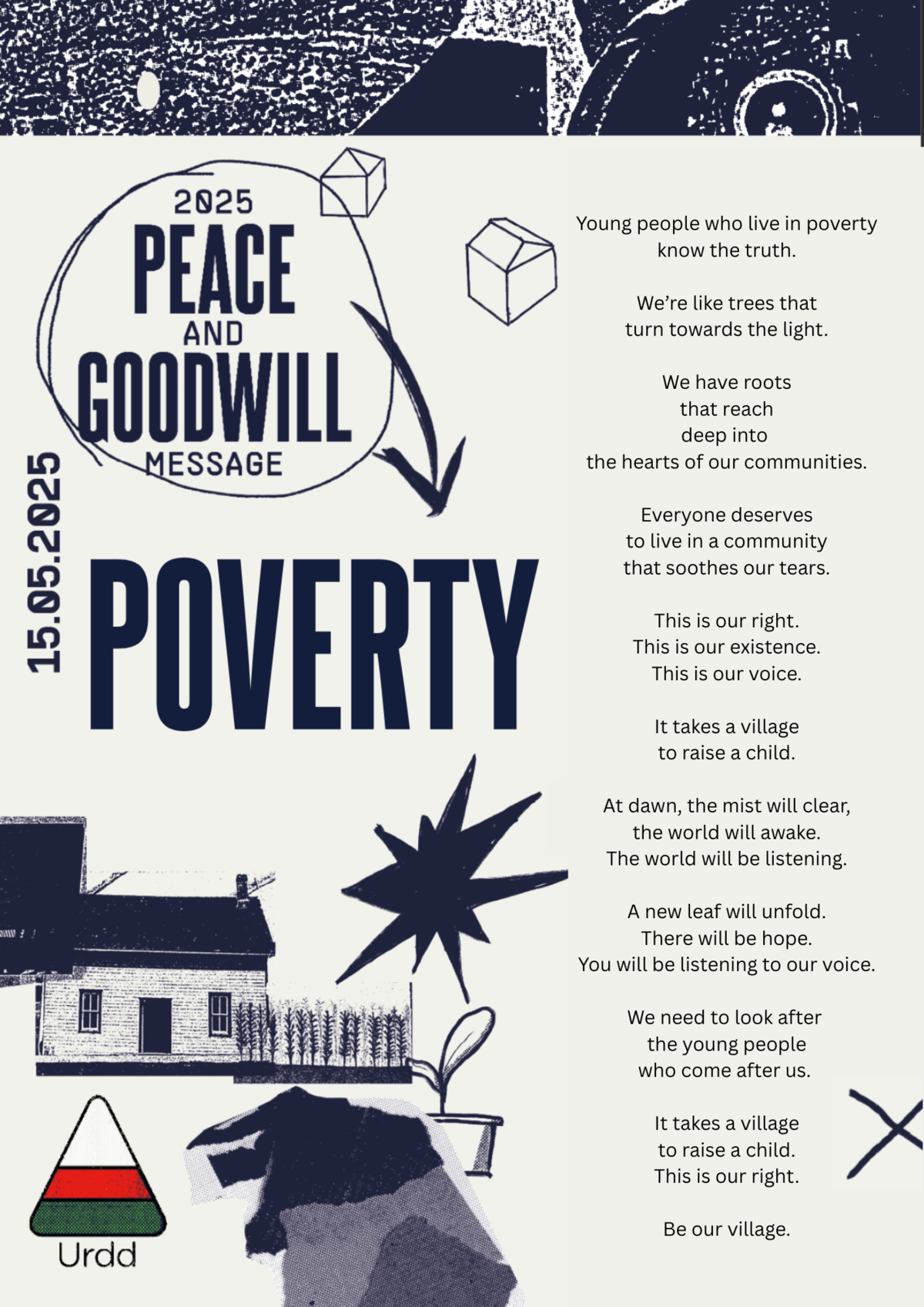
“It takes a village” – 2025 Welsh Peace and・・・
Each year since 1922, the young people of Wales have writ・・・
Linguist Fija believes that residents of the prefecture should also bear responsibility for the neglect of the six languages due to their tepid support for linguistic revitalization: “The reason is simple: assimilating as Japanese rather than identifying as Ruuchuuan is advantageous in almost every aspect of life. The greatest benefit is economic, and even among politicians there are almost none who openly say, ‘We are not Japanese, we are Ruuchuuan people; we are a Ruuchuuan nation.’ Without first asserting an ethnic identity, it is impossible to revive a language.”
All translations of the 2026 Urdd Message of Peace and Goodwill can be read at the Urdd homepage here: https://www.urdd.cymru/en/peace-and-goodwill/