
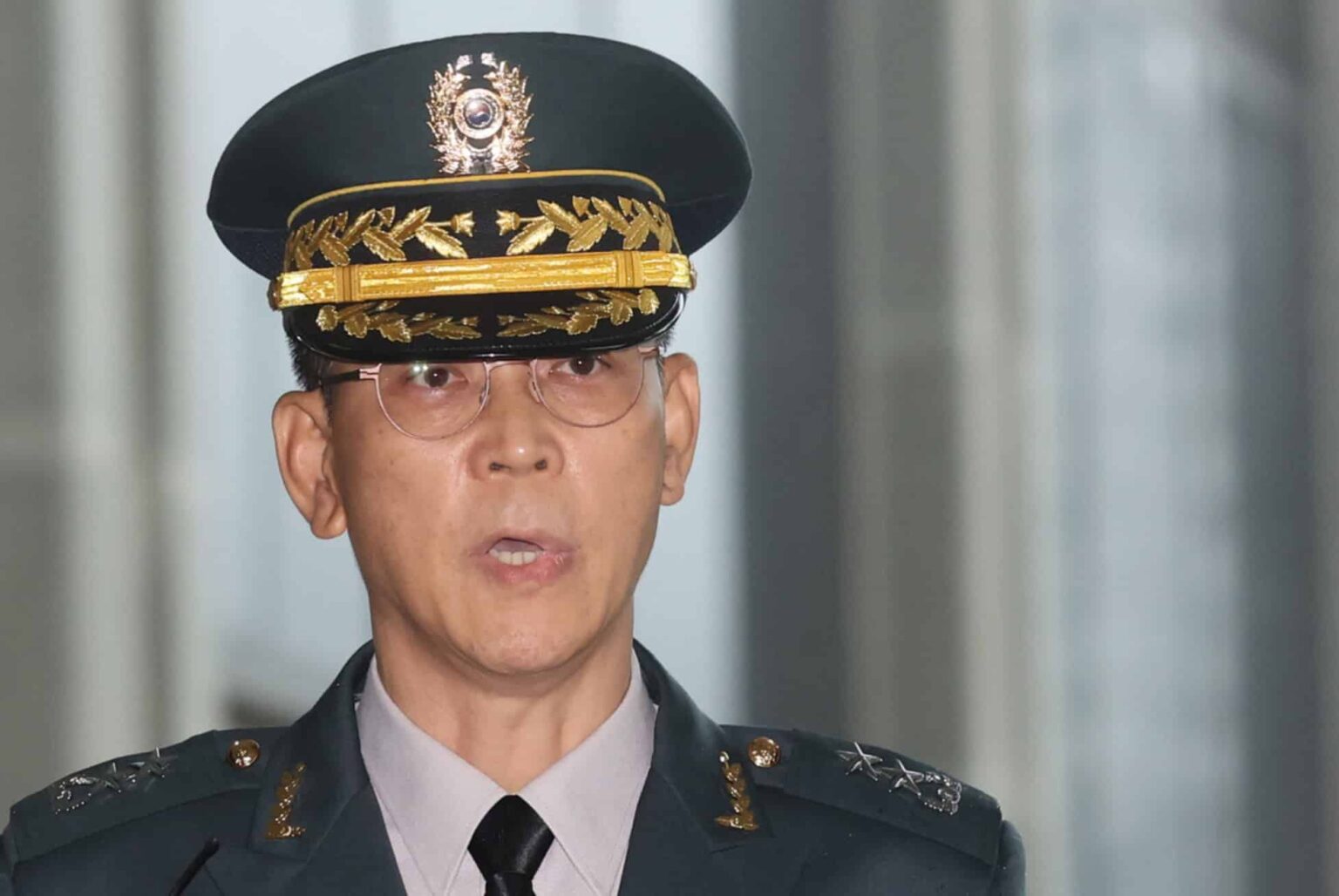
South Korea’s defense ministry suspended Major General Kim Yong-dae, head of the Drone Operations Command, over suspicions that military drones were illegally sent to North Korea last year as part of preparations for former President Yoon Suk Yeol’s martial law imposition. This development raises questions about the use of unmanned aerial vehicles in sensitive inter-Korean operations, highlighting potential risks in drone deployment amid geopolitical tensions.
Details of the Alleged Drone Operations
Investigators claim Yoon issued direct orders to Kim in October last year, instructing him to dispatch drones to North Korea without notifying the defense ministry or the Joint Chiefs of Staff, reports the Korea Herald. The move allegedly aimed to provoke a military response from the North, creating a pretext for Yoon’s martial law decree on December 3, 2024. North Korea reported finding remains of a South Korean drone in Pyongyang that month, claiming it scattered anti-regime leaflets, and published photos of the crashed aircraft.
South Korea initially declined to confirm the flights. Prosecutors later obtained audio recordings linking Yoon to the operations, with a senior officer referencing orders from “V,” the military code for the president. Two reconnaissance drones went missing near the border during this period, listed as lost for unknown reasons in defense reports.
This incident ties into a broader pattern of cross-border exchanges. North Korea had sent trash-filled balloons into South Korea starting in May 2024, prompting retaliatory measures. Drones involved in such operations typically carry payloads like leaflets or surveillance equipment, underscoring their role in psychological warfare and intelligence gathering.
Kim’s Defense and Court Outcome
Kim denied the allegations during questioning, asserting the flights were legal and authorized.
He stated, “the drone dispatch proceeded legally under the JCS’ orders as part of response measures to the North’s balloon campaigns against the South.”
Kim further described the action as a “clandestine military operation” responding to North Korean provocations, not intended to inflame tensions, reports Reuters. Authorities arrested him on Friday without a warrant, citing risks of evidence destruction, but the Seoul Central District Court rejected a formal detention request on Monday. The court reasoned that detention would “excessively limit the suspect’s right to defense.”
Kim faces charges including forging official documents, tied to the broader probe into Yoon’s actions. Yoon, impeached and indicted for directing a rebellion, denies ordering the flights to justify martial law.
Expert Insights on Provocation and Risks
Analysts suggest Yoon anticipated North Korean retaliation to the drone incursions, which could have supported his claims of external threats. Choo Jae-woo, a foreign policy professor at Kyung Hee University, noted that Yoon expected retaliation from North Korea after the provocations, which he could use to justify martial law. However, North Korea 伝えられるところによれば limited its response to protests and threats, avoiding escalation. Dan Pinkston, an international relations professor at Troy University’s Seoul campus, called the intrusion a “clear violation of the armistice” and an “extreme move” that risked a devastating war.
This case highlights challenges in regulating military drone use near borders. Unauthorized flights could undermine armistice agreements and complicate alliances, as the operations occurred without informing the U.S. or United Nations Command.
Implications for Drone Regulations and Inter-Korean Tensions
The suspension and ongoing investigations signal stricter oversight of drone commands in South Korea’s military. For drone professionals, this underscores the need for clear protocols in high-stakes environments, where unmanned systems play key roles in surveillance and countermeasures. While the drone flights did not lead to conflict, they expose vulnerabilities in command chains and potential for misuse in political crises. As probes continue, outcomes may influence future policies on drone deployments amid persistent North-South frictions.
これをシェアしよう:
DroneXL.coをもっと見る
購読すると最新の投稿がメールで送信されます。