

As globalization advances, the markets companies should target are expanding overseas. This feature interviews companies pursuing international expansion. Using concrete examples, it highlights key success factors in global strategy.

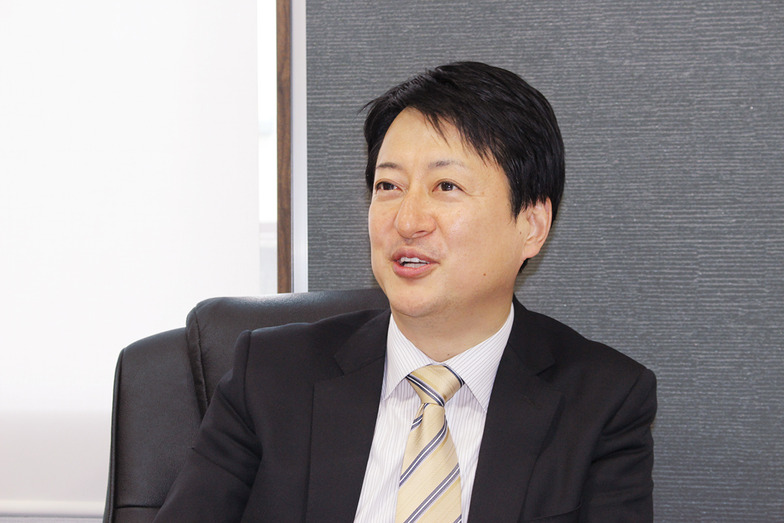
Aomori apples, known as Japan’s representative fruit. Despite being a long-established brand, their sales have surged dramatically in recent years. Behind this growth lies the revitalization of overseas exports. In 2015, annual export volume reached a record high, with over 30,000 tons of Aomori apples crossing the seas. What factors led to this successful globalization? We asked Mr. Itaru Takazawa, Secretary General of the Aomori Prefecture Apple Promotion Council.
Apple Lovers and Japan Enthusiasts: Why Taiwan Presented an Opportunity
─ First, could you explain the background behind advancing the globalization of Aomori apples?
Takazawa: Around 1993, restrictions on apple imports into Japan were lifted. Apples from the US and New Zealand entered Japan accompanied by large-scale promotions. In response, the Aomori Apple Association strengthened its domestic PR efforts while simultaneously refocusing on overseas markets. In 1995, we launched exports to the US.
Taiwan is a particularly key focus. Until 2001, there was a maximum export quota of 2,000 tons. However, when Taiwan joined the WTO (World Trade Organization) in 2002, the quota was abolished due to the shift to free trade, allowing exports from Japan to surge dramatically. Currently, approximately 80% of our overseas exports go to Taiwan.
─ From a market perspective, was there potential for Aomori apples to be accepted in Taiwan?
Takazawa: Annual apple consumption in Taiwan is 7.2 kilograms per person, about 1.7 times that of Japan. On the other hand, while Taiwan cultivates many tropical fruits like bananas, papayas, and mangoes, apple cultivation is limited to small-scale operations in mountainous areas, making apples Taiwan’s largest imported fruit. Furthermore, Taiwan has historically been pro-Japan and has longstanding ties with Aomori.
─ Please tell us about the promotional activities conducted locally.
Takazawa: We first launched full-scale PR efforts in Taiwan in 2005. We started by increasing information dissemination about Aomori apples through local media to enhance awareness and image. Specifically, we held events at Taiwan’s Pacific Sogo department store during the peak gift-giving season before the Lunar New Year in December-January. Pacific Sogo boasts the largest customer traffic in the area, so our aim was to get picked up by the news.

Event at Pacific Sogo
Also, during the Taipei Marathon, which drew over 100,000 participants, we conducted PR activities like distributing fans alongside “Miss Apple” at the starting point. Since we came all the way from Aomori Prefecture in Japan, we were featured in several news reports that day. There was even an instance where the group promoting Aomori apples made it into the top image of news coverage about the Taipei Marathon (laughs). Basically, we aimed to do something novel and different to get local media coverage. We continue these efforts every year.

Interview with a local TV station at the Taiwan Marathon
─ What new promotional activities did you undertake after that?
Takazawa: While continuing our existing activities, we began airing TV commercials locally starting in 2009. Our key focus here was differentiating Aomori apples from American apples, which hold a large market share in Taiwan. Aomori apples cost about three times more than American apples and are about four times the price of a typical Taiwanese lunch. Therefore, we needed to communicate that they offer quality commensurate with that price. Our TV commercials featured actual producers and the apple-growing process, expressing the passion, ingenuity, and care poured into the apples. We appealed to the high quality by showcasing the farmers’ dedication.
Furthermore, at that time in Taiwan, food safety incidents involving products from China were occurring frequently. As it was a period of heightened sensitivity regarding food safety, these TV commercials emphasized safety and craftsmanship.
Exports plummeted to zero due to the earthquake. The idea that overcame that.
─ Did these activities lead to increased exports to Taiwan?
Takazawa: Exports, which were 12,000 tons in 2002, increased to 24,000 tons by 2009. However, when the Great East Japan Earthquake struck in March 2011, exports plummeted. By May, exports had dropped to zero, and the annual total fell to just 9,800 tons.
─ Did the nuclear accident affect the image of Aomori apples?
Takazawa: Taiwan is pro-Japan and very knowledgeable about Japan. At that time, Tohoku received considerable aid from Taiwan. Even so, there was strong wariness about food, and most people weren’t familiar with the specific locations within Aomori. Consequently, while Aomori apples were actually safe, they were perceived as being affected.
─ What countermeasures did you take at that time?
Takazawa: We felt we absolutely had to convey accurate information to Taiwanese consumers. From October to November, we invited local media and consumer protection associations to Aomori. However, their wariness was intense—some even said their families had advised them against coming. In fact, even after touring apple orchards, they still didn’t believe the apples were safe.
So, I urgently obtained two apples from a farmer we were visiting, took them to a testing facility, and conducted radiation measurements right in front of the media. Seeing the results showing no radioactive contamination finally convinced them. After returning home, the media reported this news extensively. Subsequently, exports fully recovered, reaching 14,000 tons in 2012 and 20,000 tons in 2013. Looking back now, I feel those two apples may have saved Aomori.
─ Not only did you return to pre-earthquake levels, but you also set new records of 30,000 tons in 2014 and 36,000 tons in 2015. What factors do you think contributed to this?
Takazawa: While factors like the weak yen and the import environment for other fruits played a role, I believe changing our PR strategy was also key. Previously, we focused heavily on media outreach through events and TV commercials, but that alone couldn’t drive consumption beyond a certain level. We needed to expand consumption beyond just as a luxury item to everyday eating for the general public. So, starting around this time, we began local in-store promotions. We started with just one supermarket chain and now have promotions running in supermarkets nationwide.
─ When expanding overseas, building local connections must be challenging. How did you establish those?
Takazawa: That was indeed a significant challenge for us. Initially, we had no connections with local distributors or retailers, so we proactively visited the region to initiate discussions and build relationships. Building on that foundation, we expanded our approach: after inviting media representatives in 2011, we shifted to inviting distribution industry professionals starting the following year.
─ So you first went on-site to establish initial contacts, then invited them to strengthen the relationship.
Takazawa: That’s right. Around the same time, the Aomori Apple Export Association established the “Taiwan Aomori Apple Friends Association,” organized by Taiwanese importers and brokers. With about 60 member companies, we participated in their gatherings and leveraged that network. Additionally, representatives from agricultural cooperatives and municipalities across Aomori Prefecture also visited Taiwan. While many organizations are involved with Aomori apples, I feel it was beneficial that they united to pursue exports to Taiwan.
Global Expansion Boosts Domestic Sales
─ As export volumes increase, the total sales value of apples both domestically and internationally is also rising.
Takazawa: Sales revenue for Aomori apples has risen in proportion to the increase in exports. This is because the export growth tightens supply and demand in the domestic market, stabilizing prices, which in turn boosts overall sales revenue for Aomori apples. I believe factors like increased exports and growing health consciousness among domestic consumers are gradually elevating the perceived value of apples.
─ So expanding the market globally has had a positive impact on domestic demand and sales as well.
Takazawa: Naturally, this also leads to increased income for producers. Agriculture faces challenges like a shortage of successors and an aging workforce, but higher income boosts motivation to produce and may attract new successors. In fact, Aomori apple harvests have been trending upward over the past two to three years. We hope to maintain this positive cycle.
─ Furthermore, the relationship with Taiwan fostered by Aomori apples seems to be contributing to inbound tourism as well.
Takazawa: When considering attracting visitors from Taiwan, Aomori doesn’t immediately come to mind as a major tourist destination. Therefore, leveraging the well-known Aomori apples in Taiwan, the prefecture is promoting itself as “the place where Aomori apples are grown” as part of its inbound tourism policy. During peak season, charter flights from Taiwan are arriving, which is another positive impact.

-Finally, could you share your outlook on future global strategies?
Takazawa: With the remarkable economic development across Asian countries, we want to carefully consider the timing for launching PR campaigns in each nation while monitoring the international situation. Additionally, whether domestically or internationally, the crucial question is “How can we enhance the perceived value of Aomori apples?” We will continue to maintain that mindset and view matters from a global perspective.