
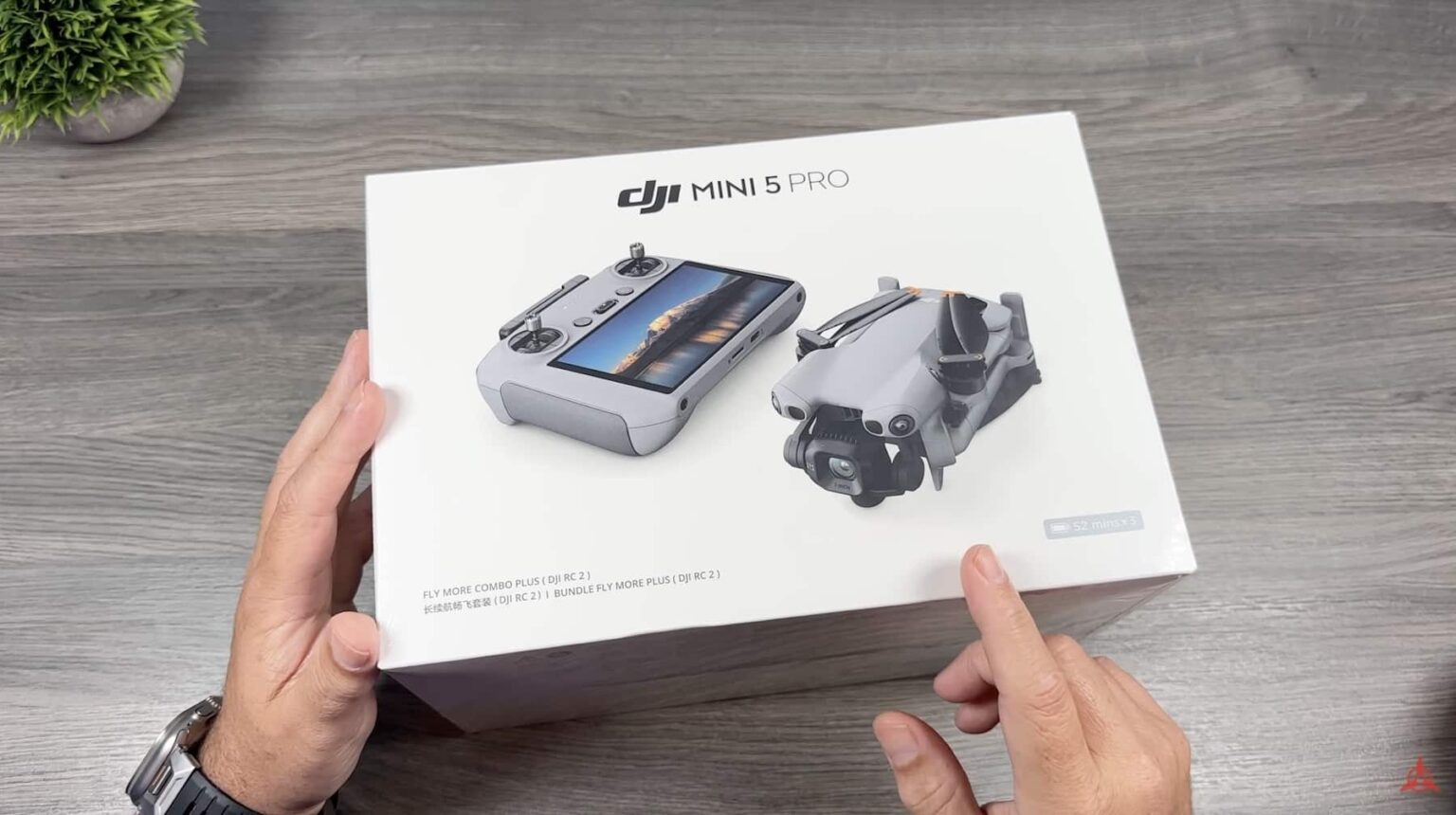
Australia’s aviation authority has officially confirmed that the DJI Mini 5 Pro will be classified as a “small restricted RPA” rather than a sub-250g micro drone, according to correspondence obtained by Adelaide ドローンオペレーター Corey Roberts of Airworks Pty Ltd. The decision places Australia firmly in line with the United States, Canada, and the United Kingdom in taking a hard stance on the drone’s weight variance issue.
The ruling matters because it strips Australian Mini 5 Pro owners of the regulatory freedoms enjoyed by sub-250g micro drone operators. Instead of flying with minimal restrictions, pilots now face the same requirements as operators of larger aircraft—a significant change that many didn’t anticipate when purchasing what DJI marketed as a near-250g drone.
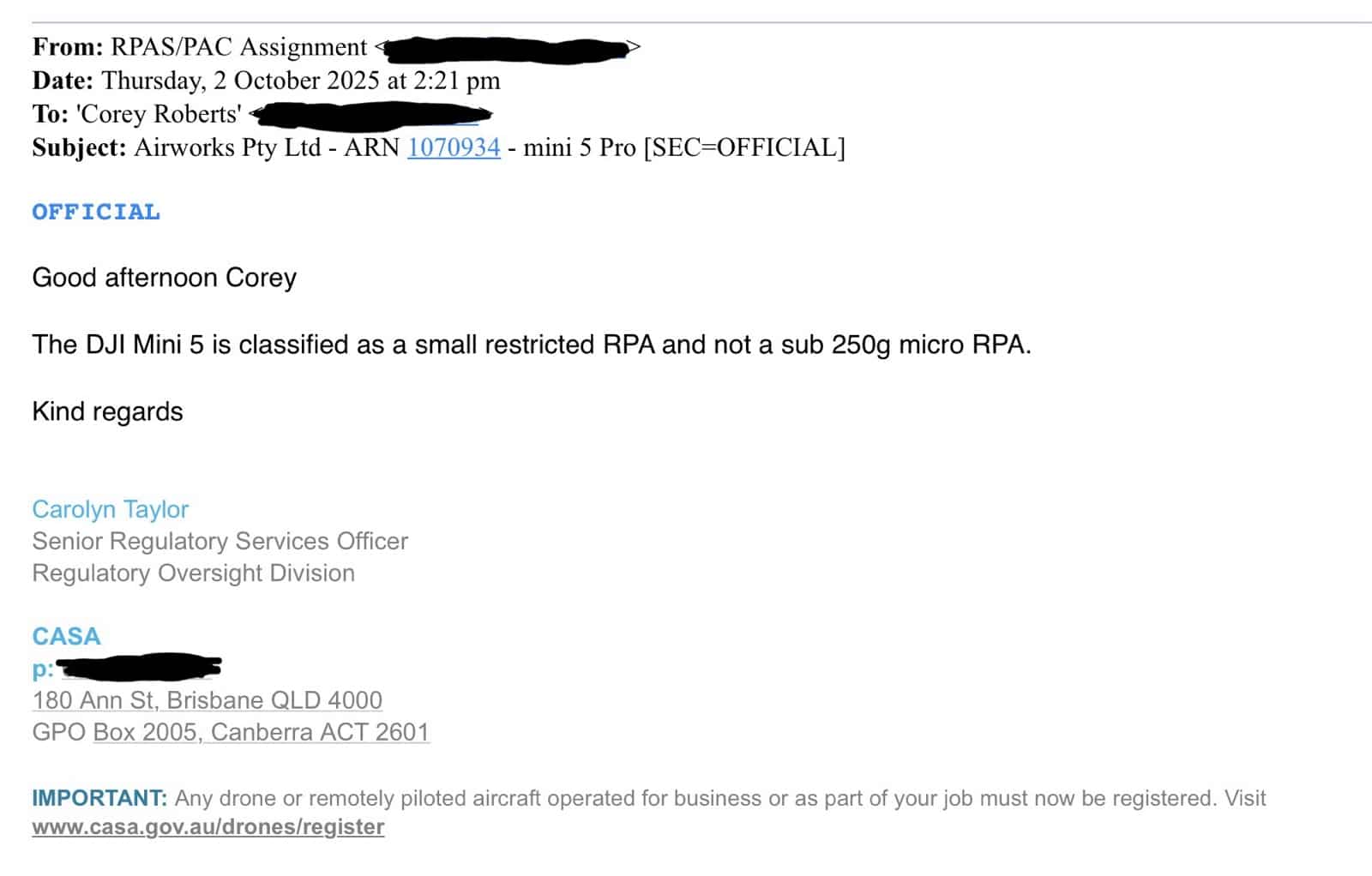
CASA’s Official Response
In an email dated October 2, 2025, Carolyn Taylor, Senior Regulatory Services Officer at CASA’s Regulatory Oversight Division, stated unequivocally:
“The DJI Mini 5 is classified as a small restricted RPA and not a sub 250g micro RPA.”
The clarification came after Roberts inquired about CASA’s stance on the Mini 5 Pro following widespread reports that units consistently weigh 252-253 grams—above the critical 250-gram threshold. Roberts, a CASA-licensed ドローンオペレーター and former architect with nearly a decade of professional drone experience, sought definitive guidance for the Australian drone community.
What This Means for Australian Pilots
The classification as a small restricted RPA triggers several regulatory requirements that micro drone operators avoid:
Australian pilots must now register their Mini 5 Pro with CASA before flying. They’ll need to complete CASA accreditation through the free online course and quiz. The drone falls under standard operating restrictions, including the 5.5km (3.4 miles) exclusion zone around controlled airports. All recreational and commercial operations must comply with CASA’s standard drone safety rules.
For pilots who purchased the Mini 5 Pro specifically for its sub-250g privileges—like flying closer to controlled airports or avoiding registration paperwork—this represents a significant limitation on their intended use.
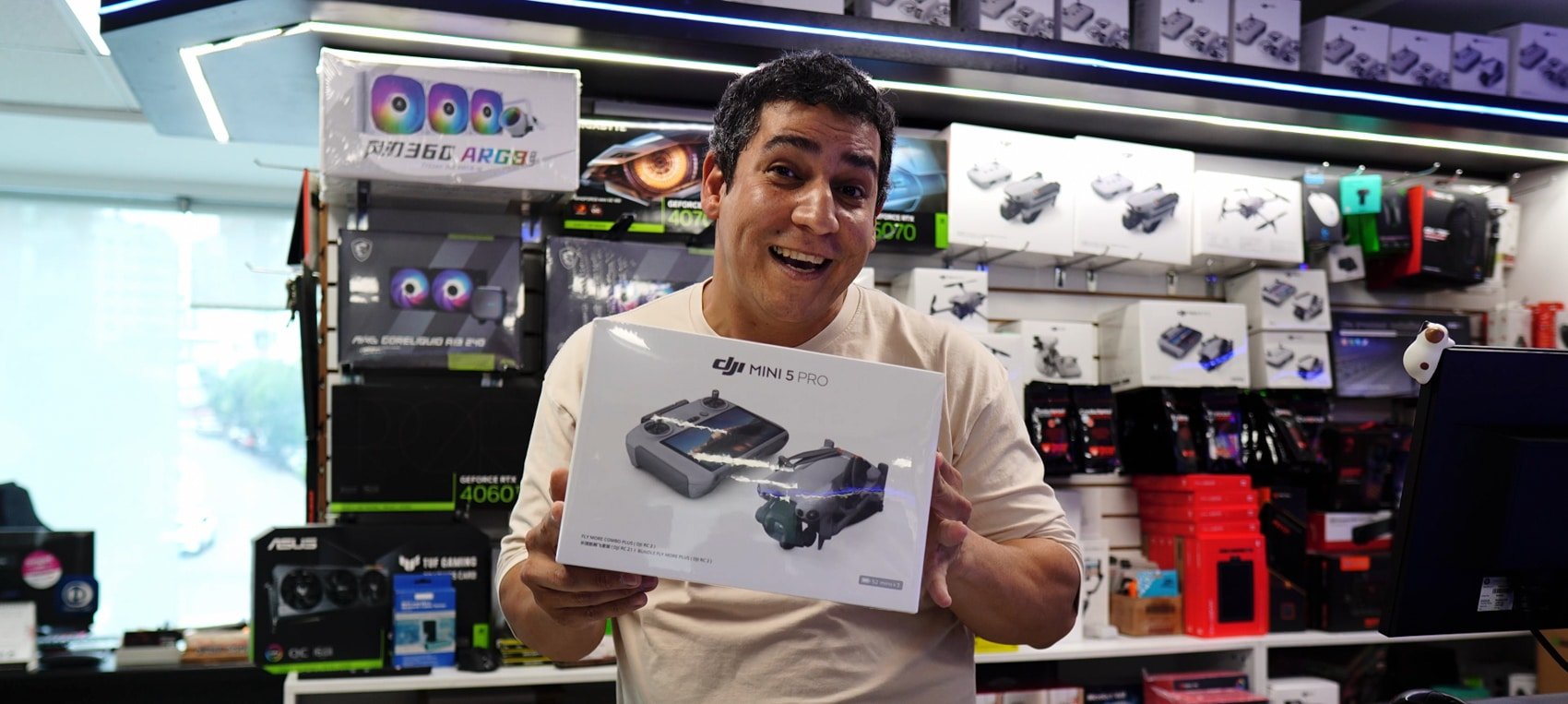
A few grams more or less. Rafa is still a happy Mini 5 Pro owner! Photo credit: Rafael Suarez
Global Regulatory Divide Deepens
Australia’s decision highlights a growing split in how aviation authorities worldwide handle the Mini 5 Pro’s weight variance. While EASA accepts the drone as C0 class with a ±3% manufacturing tolerance (allowing up to 257.4g), most other major markets have rejected this flexibility.
The United States FAA requires registration and Remote ID compliance for any drone over 250 grams used recreationally, with no tolerance for manufacturing variance.
Transport Canada places responsibility on pilots to confirm their drone’s weight, requiring registration and pilot certification for any unit at or above 250 grams.
The UK Civil Aviation Authority confirmed there are no weight tolerances in UK regulations, stating that if a drone weighs more than 250g, it loses its C0 classification regardless of labeling. Looking ahead, UK pilots face even stricter requirements. From January 1, 2026, the CAA will drop its registration threshold from 250g to just 100g—less than half the current limit. This means significantly more drones will require operator registration and compliance with expanded regulations.
DJI’s Baffling Design Decision
Investigation revealed that a speaker installed to play the DJI startup jingle and other sounds adds approximately 3 grams to the Mini 5 Pro’s weight. The component pushes nearly every production unit above the 250-gram threshold that DJI spent years establishing as the gold standard for the Mini series.
While it’s possible DJI explored other weight-saving measures—perhaps a smaller battery or lighter materials—and found the speaker was their best compromise, the decision still strikes many as puzzling. The company built its entire Mini line around the sub-250g category, only to potentially disqualify the Mini 5 Pro in most markets for a three-second jingle.
Whether through better engineering or removing the speaker entirely, DJI could have kept the drone under 250 grams. Instead, they’ve created regulatory headaches for pilots worldwide who purchased expecting sub-250g compliance.
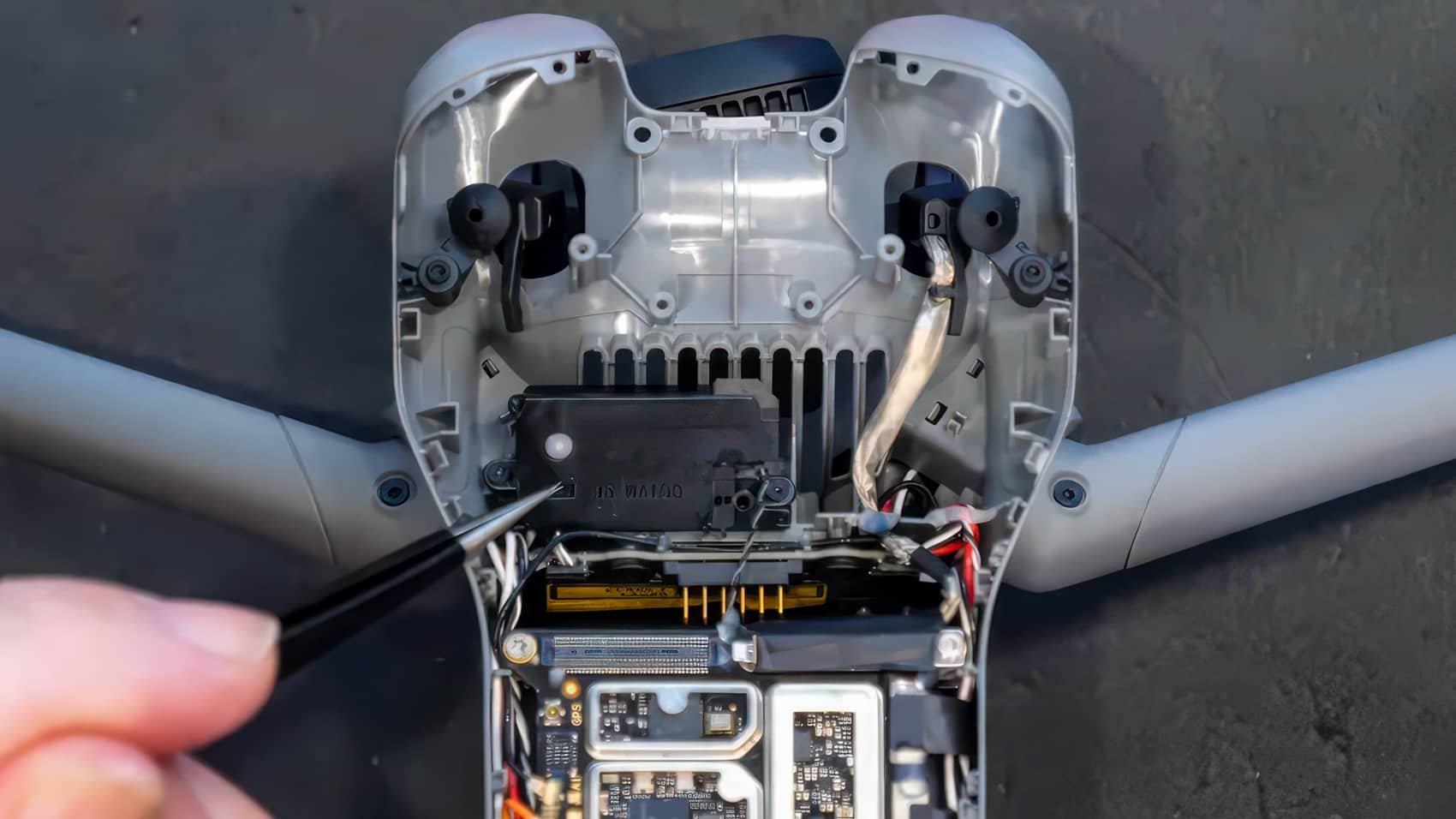
Photo credit: Mads_tech / Reddit
DroneXL’s Take
This shouldn’t have happened. DJI has successfully delivered four generations of Mini drones under the 250-gram limit, making the sub-250g category practically synonymous with the Mini brand. The Mini 5 Pro breaks that 信頼. There’s even a Japanese version that weighs less than 100 grams, and of course we have the DJI Neo coming at exactly 135 grams without any tolerances.
CASA’s decision is technically correct—the drone weighs more than 250 grams, so it doesn’t qualify as a micro RPA under Australian regulations. But the real issue is DJI’s apparent inability or unwillingness to keep their flagship Mini under the weight limit that made the series successful.
For Australian pilots, the practical impact varies. Those already holding CASA accreditation and flying larger drones won’t notice much difference. But recreational flyers who chose the Mini specifically for its regulatory advantages now face unexpected registration requirements and flight restrictions.
Europe’s EASA deserves credit for acknowledging manufacturing realities with their ±3% tolerance. It’s a pragmatic approach that recognizes production variance while maintaining safety standards. The question is whether other authorities will follow suit or continue drawing hard lines at 250 grams—and whether DJI will finally engineer a true sub-250g Mini for their next iteration.
What do you think? Share your thoughts in the comments below.
Correction: An earlier version of this article erroneously stated that Caroly Taylor’s email was dated October 2, 2024. It was October 2, 2025.
これをシェアしよう:
DroneXL.coをもっと見る
購読すると最新の投稿がメールで送信されます。